Wednesday, March 28, 2012

Fight Cancer with Farm-Fresh Produce

Spring, oh the possibilities.  Spring means summer is not far off, and the thought of fresh produce comes to mind.  Nothing beats farm-fresh produce.  The produce you find in most supermarkets has spent many days, if not weeks traveling to that shelf, depleting it from quality and taste.  While you still have to be concerned with toxic pesticides and fertilizers, many farms grow organically or at least limit the use of these chemicals.  Ask your local farmers, they love to talk with pride about their food.   By buying local, you can often avoid Genetically Modified Crops (GMOs) which should not be consumed by anyone (See notes below).  No farm-stand available?  You can still enjoy these recipes, but please consider organic or even grow your own.  No room for a garden?  Herb gardens take up very little space and produce some powerful anticancer agents (i.e. cilantro helps remove heavy metals such as mercury from the body). Summertime is also a great time to use the abundance of fresh kale, basil, arugula, cilantro or garlic scapes to make pestos for pastas, sandwiches and crostini.
Tomato Basil Salad
1 pint or more cherry tomatoes (a combination of red, yellow and gold is nice)
Fresh basil
Organic extra virgin olive oil *

Halve cherry tomatoes and place in serving bowl
Chop basil and add to tomatoes
Drizzle with olive oil

*Note:  I use herb infused oils such as basil, rosemary, garlic or lemon.  In this recipe I prefer rosemary and basil infused.  If you cannot find them locally, Arlotta makes the very best olive oils I have ever tasted and also the most incredible balsamic vinegar.

Tomatoes are a powerful anti-cancer fruit, particularly due the synergistic effects of lycopene, beta-carotene, vitamin C, phenols and other nutrients and antioxidants in the tomato working together to offer cancer protection. But please use organic or locally farm fresh and not the commercially toxic, GMO, or otherwise unhealthy sources.

Basil has powerful anti-inflammatory and antioxidant properties. It contains flavonoids that help shield cell structures from radiation and oxidative damage. Both fresh basil and basil oil have strong antibacterial capabilities, so by adding the herb or oil to your salad, you can help ensure your vegetables are safe to eat.


Grilled Striped Bass with Dill Sauce
2/3 cup (packed) chopped fresh dill
¼ cup olive oil
2 Tablespoons white or golden balsamic vinegar
1 Tablespoon lemon fresh lemon juice
4-6 pieces of local wild striped bass, wild salmon or other fish, skin removed, each pc  about ½ lb

Blend dill, oil, and vinegar and lemon juice in mini processor until almost smooth.  Season with salt and pepper.

Sprinkle fish with salt and pepper

Grill fish 8-10 min, do not overcook

Drizzle fish with some of the dill mixture and serve the rest on the side.

Dill contains antioxidant properties, and it also deactivates free radicals and neutralizes carcinogens that might find their way into our bodies.

Grilled Eggplant with Rosemary Oil and Cheese
1-2 eggplants
Cheese (Smoked Gouda, Munster, Monterey  Jack, Raclette, Mozzarella ….really any cheese or cheese substitute you like*)
Extra virgin Olive oil
Fresh chopped rosemary

Slice eggplant lengthwise or crosswise, depending on size and preference (lengthwise is easiest for grilling)

Sprinkle both sides with salt and pepper and place on paper toweling

Let sit at least 30 minutes, blot dry (this will remove the water as well as the salt….if you skip this, the eggplant will absorb too much oil)

Meanwhile, chop the rosemary and mix with a generous amount of olive oil

Baste eggplant with olive oil/rosemary mix, use more oil if necessary….eggplant should be well coated.   Grill eggplant until done on one side, turn, grill a few minutes and add cheese.  When cheese is melted, remove. 

Note:  this dish goes well with the tomato salad or a salad of chopped tomatoes, parsley and olive oil

*I prefer organic, raw or those from small farms to cut down on pesticides and added hormones.

Eggplant is rich in dietary fiber, loaded with vitamins and minerals, and contains powerful cancer fighting antioxidants such as chlorogenic acid, which fights free radicals and helps protect cells from mutating into cancer cells, and nasuin, which helps cut off the blood supply to cancer cells.

Rosemary is a powerful anti-cancer herb.  The two key ingredients in Rosemary-caffeic acid and rosemarinic acid-are potent antioxidant and anti-inflammatory agents, which help protect the body's cells from damage by free radicals. Rich in carnosol, Rosemary has been found to detoxify substances that can initiate the breast-cancer process. It's widely known that an imbalance of estrogen hormones in women can contribute to breast cancer. Rosemary stimulates liver enzymes which inactivate estrogen hormones. Rosemary, along with thyme, oregano, basil and mint promote apoptosis in cancer cells and reduce their speed by blocking the enzymes they need to invade neighboring tissues. Rosemary can inhibit the formation of HCAS, the carcinogenic compounds that form when you cook protein, by 75% (so use chopped rosemary in your marinade if you choose to grill proteins)

Grilled Zucchini with Chopped Dill
Zucchini (one or two, more if very small)
Dill (I will leave it up to you regarding amounts, but if you love the taste of dill, by all means, be generous!)
Extra Virgin Olive oil

Slice Zucchini lengthwise or crosswise, depending on size and preference.  (I find a 1/4” thickness works well on the BBQ)

Chop dill and mix with olive oil, rub onto zucchini, sprinkle with salt and pepper, and grill
Zucchini has the ability to protect against cell mutations and oxidative stress, and contains powerful anti-inflammatory compounds. It is also a good source of potassium and lutein.
(See dill above)
Watercress and Red Cabbage Salad
Wash one bunch of watercress and chop
Remove outer layers of red cabbage and slice thin or chop (use about ¼ of the head for one bunch of watercress).
Extra virgin olive oil
Aged Balsamic vinegar
Optional—add a handful of raw pine nuts or chopped parsley

Toss salad with a pinch of salt, fresh pepper (if desired) and drizzle with Arlotta balsamic vinegar and lemon infused olive oil.  Alternatively you can use any olive oil and balsamic, but be sure to buy the best quality you can find.

Serve at once

Watercress offers a hefty dose of beta-carotene, copious amounts of calcium, carotenes like lutein, and trace amounts of omega-3’s.  Watercress has a high amount of PEITC (phenylethylisotiocyante) which appears to block cancer-causing chemicals, perhaps even protecting the lungs of smokers from the carcinogens associated with tobacco (however, please don’t smoke…I tell you this to understand the power of watercress)

Red cabbage boosts immunity and is a member of the cruciferous family, whose indoles help with estrogen metabolism.  It also contains anthocyanins, a class of flavonids that provides as many as 36 different varieties of anticancer chemicals. Cabbage also contains a significant amount of glutamine, an amino acid that has anti-inflammatory properties. Red Cabbage boosts the immune system’s ability to produce more antibodies. Red cabbage contains large quantities of sulfur and other minerals that work as cleansing agents for the digestive system.  Raw red cabbage cleans the bowels, thus helping to prevent indigestion and constipation.

 Parsley has potent anti-inflammatory and anticancer abilities. The phytochemicals in parsley can slow the speed of cell division, leaving time for the cell to correct DNA mistakes or to activate apoptosis, and recent research shows that one particular compound found in parsley and celery, apigenin, can stop certain breast cancer tumor cells from multiplying and growing, so it’s a good idea to have some everyday.

Additional Notes

When salt is used, please consider pure sea salt as ordinary table salt and commercial sea salts are often treated with chlorine to bleach it white and may contain additional chemicals to prevent caking. 
When using balsamic vinegar, please keep in mind that many inexpensive varieties sold in the supermarket aren’t really balsamic vinegar but rather a cheap imitation. Try to purchase only high quality brands with no added ingredients
When olive oil is used, consider organic or a trusted source as not all olive oils are as pure as they claim to be.  I choose to use organic extra virgin olive oil for cooking and love the infused olive oils by Arlotta foods that we discovered at the farmers market in Southampton. 
Avoid canola oil…..have you ever seen a canola plant? That’s right, there is no such thing. Canola stands for “Canadian oil low acid”. Canola oil is developed from the rapeseed plant, which is part of the mustard family of plants. These oils have long been used for industrial purposes (in candles, lipsticks, soaps, inks, lubricants, and biofuels). It’s industrial oil, not a food.
Rapeseed oil is the source behind mustard gas, and on its own it causes emphysema, respiratory distress, anemia, constipation, irritability, and blindness. But through the beauty of genetic modification, it is now sold as edible oil. 
To be safe, use oils such as olive or walnut on salads
No GMO’s please:


Elyn Jacobs
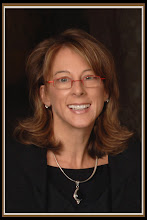
Elyn Jacobs is a certified cancer coach, a breast cancer survivor, and the Executive Director for the Emerald Heart Cancer Foundation.  She empowers women to choose the path for treatment that best fits their own individual needs.  Elyn helps women to uncover the nutritional deficiencies and emotional stress patterns that may have contributed to their cancer and to support their body as it activates it own natural ability to fight the disease. She is passionate about helping others move forward into a life of health and wellbeing. To learn more about Elyn’s coaching services or to learn more about eating for life, please visit:  http://elynjacobs.wordpress.com.

Thursday, March 15, 2012

Light at Night and Breast Cancer

About 18 months ago, I attended a lecture at Gildas Club on the prevention of cancer.  Dr Marisa Weiss, Founder and President of BreastCancer.org, gave a great talk, and one thing that struck me was light at night. This was the first I had heard of the perils of light at night and I must say, she was so convincing I went right home and ordered eye covers….and have been using them ever since.  Dr Keith Block talked a bit about this at the Annie Appleseed Project CAM conference a few weeks ago, and while I will blog more on his lecture, I was reminded of this important subject.

I am sensitive to light. I remember when I first moved from the suburbs to the city.  My bedroom was so bright, I could not sleep.  My mother made black-out drapes for me and all was well.  15 years later, when I met my husband and moved in with him, I had long forgotten about the issue and found myself sleeping (or sleepless) in a very bright room…natural light from the moon and stars, as well as city lights lighting the night.  Then came the nite-lites and long nights when our children were babies.  While I certainly felt the misery of lack of sleep, I did not realize the effects on my long-term health; that I might be at higher risk of getting cancer.  Habitual light at night during sleep increases breast cancer incidence by 22% (Keith Block, Annie Appleseed CAM Conference, Feb, 2012).

Dr Richard Stevens, Cancer Epidemiologist and professor at the University of Connecticut Health Center, has done a number of studies on light at night (LAN).  In 1987 he was featured in American Journal of Epidemiology proposing a radical new theory that “the use of electric lighting, resulting in lighted nights, may produce circadian disruption,” which causes changes in the hormones, one hormone in particular is melatonin, known as the hormone of darkness because it is secreted in the dark.  In 2009 he studied women who work the night shift and found that these women appear to be at higher risk for breast cancer.   Melatonin reduces the production of estrogen in the body, so with light interrupting the release of melatonin, estrogen levels rise, and too much estrogen heightens the growth of breast cancer. The WHO actually lists the shift work (graveyard shift) as a "probable carcinogen".  
Dr. David Spiegel, a psychiatrist and professor of Stanford University supports the LAN theory as well.  “There is evidence that women who do night time shift work are in increased risk of getting breast cancer.  Melatonin is an antioxidant. There is some thought that disruptive melatonin levels which happens when you don’t sleep well, may reduce the ability of the body to scavenge free radicals that can cause cancer,” said Dr. Spiegel.   Spiegel goes further, saying cortisol levels may also be connected to sleep and cancer.  Cortisol is a circadian hormone produced by the adrenal gland that is released in response to stress. Cortisol also helps to regulate the immune system and releases cells that fight off cancer cells. Cortisol increases in the late hours of sleep, and Spiegel believes Cortisol, like melatonin, lowers the production of estrogen.
Many others have studied and reported on this as well:
So how do we lower our risk for getting cancer?  Eat well, exercise daily, turn off the computer and the cell phone and get some sleep.  Try to be in bed by 10pm, black shade your room or wear eye covers.  Melatonin release is at its strongest from about 10pm to 2am, although I have heard 10-1 as well as critical from 2-4am.  So, the best advice is likely to simply work on getting a good night’s sleep.

What can you do to improve sleep? The first step to easing insomnia and poor sleep quality is by recognizing it is a problem and then finding ways to resolve the problem.

1.     Establish a regular bedtime and wake time.
2.    Reserve the bedroom for intimacy and sleep only; do not watch television, eat, talk on the phone, or work in your bedroom. Try reading something more technical than fictional to avoid staying up late ‘to see what happens next in the book’.
3.    Make your bedroom dark, quiet, and comfortable.
4.    Avoid caffeine and alcohol within six hours of bedtime; drink calming teas instead, such as roobios, chamomile and lemon balm, but not too close to bedtime as this may disrupt your sleep if you have to get up to use the bathroom.  It’s a good idea to limit alcohol usage in general as it is linked to cancer and is dehydrating, which may leave you thirsty during the night.
5.    Drink liquids daily to avoid dehydration, but again, not close to bedtime.
6.    Exercise daily, but preferably not right before bedtime.
7.    Avoid foods with additives and preservatives; some of these ingredients can act as stimulants and aren’t good for you anyway.
8.    To avoid nighttime awakening due to drops in blood sugar, eat 1-2 oz of a complex carbohydrate snack, such as oatmeal, whole-grain cereals, or whole-grain bread, one hour before bedtime, perhaps adding a bit of protein such as almond butter or nuts to further slow the glucose factor.
 While proper sleep is the preferred source of melatonin, there is strong research suggesting that that low levels of melatonin stimulate the growth of certain types of breast cancer cells. So if levels are low, and cannot be corrected with sleep, supplementation may be the way to go. Melatonin may enhance the effectiveness of some chemotherapy drugs and may also help prevent the lowering of platelets in the blood during chemotherapy, a common complication that can lead to bleeding.  It is always advisable to discuss the use of supplements with a naturopath, integrative or functional medical doctor before use, as often supplements may interact positively or negatively with other drugs.

 There are many natural substances that can be taken to enhance sleep, and in my coaching, I highly recommend the use of them.  Ashwaganda, for example, reduces stress and anxiety.  Rhodiola helps with anxiety, depression, sleep disturbances and insomnia. (Caution, Rhodiola is not advised for those with Bipolar or mania).  L-Theanine reduces stress and improves sleep quality.  Schisandra has a calming effect and may also help manage stress-induced insomnia. (Schisandra should not be taken with Tamoxifen). Magnolia can help calm nerves and alleviate anxiety; it is thought of as the herbal substitute for valium, and is actually better as it does not cause that embarrassing and debilitating muscle relaxation (sounds good until you can’t function).  By the way, several studies have tested magnolia extract on human cancer cells and found that it may inhibit the growth of cancer tumors.  For more information on these and other herbal remedies, please email me or comment to this blog-post.

For more information on LAN:

Elyn Jacobs
elynjacobs.blogspot.com
elynjacobs.wordpress.com

Elyn Jacobs is President of Elyn Jacobs Consulting, Executive Director for the Emerald Heart Cancer Foundation, a certified cancer coach and a breast cancer survivor.  Elyn helps women diagnosed with cancer to navigate the process of treatment and care, and educates to prevent recurrence and new cancers.  She is passionate about helping others get past their cancer and into a cancer-free life. To learn more about Elyn’s coaching services, please visit:  http://elynjacobs.wordpress.com

Tuesday, March 6, 2012

Integrative Oncology Works!!!

This past weekend I attended the Annie Appleseed Project CAM conference; so many excellent speakers. Over the next few weeks I will be sharing some of what I learned.  What resonated throughout the conference was that conventional medicine alone is not the answer. Today I will talk about Dr Gwen Stritter and her roadmap to beat cancer.
Dr Stritter provided a humorous and excellent plan for someone just diagnosed with early stage breast cancer who wants to increase her chances of a cure.  I just loved the positive tone; note she did not say to prevent recurrence, but rather spoke of that lovely word cure. She said that if she were diagnosed at 12pm, what she could do at 12:01pm that could take her on the path to wellness.
Exercise:  Fast walking 3hours a week improves breast cancer survival by 40%.  5-6 hours increased survival even more.  So, she will go for a walk. Social support: Increased contact with friends and family post diagnosis was associated with lower risk of death by 70%.  So, on the way home, she will stop in and visit some friends and family.  Alcohol:  having one alcoholic beverage a day increases death by 36%.  So, she’d give up that glass of wine with dinner…well maybe indulge only twice a week as she really loves wine.  D3: Vitamin D3 decreases metastasis and increases survival by 55%. So, she’ll pop in a 2000mg supplement as soon as she gets in the car.  Omega 3: high intake of omega 3 fatty acids from fatty fish increases survival by 25%, so she’ll call her husband and ask him to toss the fried chicken and she’ll stop at the fish market to buy some salmon for dinner. Controlling inflammation:  having a high CRP, (which indicates increased inflammation), results in a 100% increase of death.  So, she will take some anti-inflammatory natural products such as curcumin, omega 3 (yes, perhaps a supplement too), boswellia and a few others.  Low toxicity pharmaceuticals:  a daily baby aspirin reduced breast cancer death by 70% (alternatively, one regular aspirin taken three times a week can reduce recurrence by 50%, according to my integrative onc).  So, she will stop at the drugstore and buy some aspirin.  She might also take some other pharms that look promising, so she’ll call her primary physician. In trials, Propranolol, a cheap and non-toxic drug commonly prescribed for high blood pressure, increased  breast cancer  survival by 80% (in a retrospective study).  Metformin, which is derived from the French lilac plant, increased survival in diabetic patients by 60%, and non-diabetics with breast cancer who did not take Metformin had 3 times the risk of distant metastasis….the risk went up 300%!.  Metformin is cheap and has very few side effects.  (My doc recommends that almost everyone take it to avoid cancer, and certainly to prevent recurrence).  There is another study expected to be released by 2014, but likely you will not want to wait until then.
And of course, she will switch to a mostly plant based diet, be conservative on oil and fat intake, and if she were a smoker…she would stop asap! 
In summary, if she does all this, cancer does not stand a chance; she has provided an extremely hostile environment for her cancer to grow.    She also commented that Dr Keith Block did an excellent study on these combined steps and found a substantial increase in survival for those with advanced metastatic cancer.  Her overall deduction?  Integrative Oncology works!!! 

A few things to add:
You will likely need to ask your primary doc, not your oncologist for prescriptions for Propranolol and Metformin as they are not yet approved for cancer despite the fact that they can be quite effective.    At this conference as well as at the Integrative Healthcare Symposium, several doctors commented that Metformin was the only cancer drug that actually worked. My doc started me on this a while back, handing me piles of research to support his recommendation.
Also, remember to address stress….more on this later, but I offer this post until then: http://elynjacobs.wordpress.com/2011/12/09/changing-the-cancer-environment/
Lately there has been much in the news about red wine and breast cancer.  Research shows that a small amount of red wine may actually reduce breast cancer risk.  http://www.medicalnewstoday.com/articles/240065.php?utm_medium=twitter&utm_s
The trick is small.  Those who love wine (like me) might take this too far.  Your body converts alcohol into acetaldehyde, a carcinogen.  Acetaldehyde boosts cancer risk by inflicting oxidative stress that damages DNA, prevents DNA repair, and triggers a pro-inflammatory reaction.  You can help offset the damage by adding a few foods and plant-based compounds like silymarin, resveratrol, grape seed extract and barley grass, as well as adding some supps like selenium, NAC, vitamin B6, and folate, to prevent alcohol-related deficiencies of valuable cancer fighting nutrients and minerals.  The trick is to take the supps just before, with, or even immediately after accidental over- indulgence of wine. (Have a brazil nut with that wine!)So, I offer up this article, which effectively provides a good explanation of the dangers of alcohol as well as what we can do to offset the damage should we accidentally over-indulge.  http://www.lef.org/magazine/mag2011/dec2011_Link-Between-Alcohol-and-Cancer-Death_01.htm
Elyn Jacobs
elynjacobs.blogspot.com
elynjacobs.wordpress.com

Elyn Jacobs is President of Elyn Jacobs Consulting, Executive Director for the Emerald Heart Cancer Foundation, a certified cancer coach and a breast cancer survivor.  Elyn helps women diagnosed with cancer to navigate the process of treatment and care, and educates to prevent recurrence and new cancers.  She is passionate about helping others get past their cancer and into a cancer-free life. To learn more about Elyn’s coaching services, please visit:  http://elynjacobs.wordpress.com


Saturday, February 25, 2012

Cell Phones and Cancer--The Absence of Evidence is Not Evidence of Absence

More from the Integrative Healthcare Symposium,  February  9-11 2012, Dr Devra Lee Davis, PhD, author of Disconnect

Cell Phones and Cancer--The Absence of Evidence is Not Evidence of Absence


As I mentioned in Cancer Tips, Devra Lee Davis, PhD delivered a powerful and frightening message presenting her research on the use of wireless technology.  Contrary to firmly held beliefs, invisible radio frequency radiation can alter living cells and create the same types of damage that we know increase the risk of cancer and neurological disease.  Davis spoke of her conversation with the late Dr David Servan –Schrieber, author of Anti-cancer, A New Way of Life.  His response to her research was disbelief.  “If that were true, we’d know about it!’ At the time he was a brain cancer patient in remission, and a heavy cell phone user.  After hearing her out, he joined her efforts in getting the word out.
Cell phones are two -way microwave radio that changes brain cells and alters glucose levels (the brain’s main fuel).  Since a brain tumor utilizes excessive amounts of glucose, changes in glucose utilization may be a key mechanism to support tumor growth.  Even short-term exposure to nerve cells from cell phones can increase glucose in the brain.  Thankfully, our DNA works to repair and prevent damage to our cells from becoming permanent.  So, if the body is capable of repairing itself, then why the worry? The system can fail, and cancers do develop.   Medical science now understands that because the causes of chronic diseases can take decades to be detected, we should not wait for the definitive human evidence.  If we want to prevent human harm, we have to rely on experimental studies to predict risk rather than using human studies to prove that harm has already happened.  In fact, there are a few dozen compounds that we know definitely cause cancer in humans, and these cancers developed after years of exposure.    Determined to prevent harm, rather than to confirm its occurrence, scientists experiment on animals in order to prevent future human harm, not in order to prove why past damage has already occurred.
Davis mentioned a study by Henry Lai, done with rats—the DNA from the cells of the brains of the radio-frequency-radiation-exposed rats was not normal, it was broken--the broken brain cells found in these animals were the same as those known to occur in cancer. To remain healthy, DNA needs to remain intact.  This, by the way, was in 1994.  Plus, if the same area is assaulted over and over again, repair may not happen as easily or at all, the impacts may not be fixable. While yes, DNA can often be repaired, and yes, we have anti-oxidants that can do this (another good reason to eat those fruits and vegetables…remember when I commented that diet can often trump environmental toxins? This is a good example), we need to address the carcinogens, not rely on band-aids and the hope that the DNA will be repaired.
While the long-term implications of cell phone use are still to be determined, Dr. Davis says there is particular reason for concern for children because cell phone radiation penetrates the skulls of children more deeply than those of adults, and that their brains are still developing until they are past the teen years. Children may be more vulnerable because of their developing nervous system, the greater absorption of energy in the tissues of the head, and a longer lifetime exposure.  Keep in mind that cell phones were made for the SAM…standard anthropomorphic (average) male.  Children’s skulls and bone marrow are thinner and much more absorptive than those of adults—a fact that explains why children’s heads can absorb double or more the radio frequency energy of adults’ heads. Just as CT scans are supposed to be adjusted for children, likely so should other radiation-damaging devices. She also mentioned studies that show people who use the cell phones for ten years have double the risk of developing brain cancer. Children who start using the cell phone during their teen years have 4 to 5 times the risk of getting brain cancer by the time they hit their twenties; so what does that mean for young children? She stressed that the need for more research is not an excuse to use our children as guinea pigs.  Remember that the absence of evidence is not evidence of absence.  Just because it hasn’t been proven harmful doesn’t mean it is safe. 
The need for more research in this field is one fact upon which all parties have usually agreed.  The absence of research has become part of the rationale for making not changes in the meantime.  Plenty of research has shown that radiation from cell phones can disturb the DNA deep within the center of brain cells and in 1993, the FDA concluded that several studies showed that microwave radiation increased cancer risk.  Despite this having evidence of this in 1994, the FDA approved cell phones for general use without any safety testing at all.  The FDA took it upon themselves to ignore the risks and approve cell phone sales without so much as even a warning to users.  There have been numerous studies done since, and the debate continues.

These days you will find warning notices buried deep in tiny print in the owners guides that come with cell phones and laptops.   However, given the risks, should these warnings not be made sufficiently obvious?  After all, does not the name “laptop” infer that one might expect to use it on their lap?  The fine print suggests you do otherwise.  I recently bought a new Iphone.  I will not say I read the “important Product Information Guide”; the print was far too small.  However, after hearing Davis speak, I pulled it out, put it under a bright light, and sure enough, it recommends that you limit usage and not use or carry the device directly against your body. I then pulled out the three safety guides that come with the Verizon LG phones.  Again, I did not read these warnings when I purchased the phone, mostly as I figured what could be new?  However, looking at them now, they all basically say that there is no proof that cell phones pose a danger, but one might want to consider limiting usage and keeping the phone a safe distance from your body.  However, the information provided seems quite biased (perhaps we should look into who funded the studies they mention), and after all, these phones must be safe, they are FDA approved.  Need I say more? No, but I will.  In the Verizon booklet they do mention “that groups in other nations have advised that children be discouraged from using cell phones at all”. How long will it take for those in the US to suggest this…hopefully not another twenty years. One study that was cited in support of cell phones was one done in the UK, but clearly there are others in the UK that suggest otherwise.  
Davis also mentioned that in countries such as Italy and Israel where cell phone usage was more aggressive that that in the US, government warnings about the dangers of cell phone and WIFI are issued quite loudly.  She also said that insurance companies here in the US refuse to provide coverage to cell phone companies and operators in the case of claims of health damage from long-term operation of their devices, and that in other countries, companies are being sued for the health issues of employees whose jobs depended on cell phone use….and are losing.
The fact that we do not have clear answers to this question at this point is not an accident.  After all, there is big money in cell phone sales, and while early studies were funded by none other than the makers of the devices, when things started to look ominous for them, not surprisingly, funding for studies dried up.   Cell phones were exciting when they were introduced, and we can’t imagine living without them today.  They help us stay connected and help us in emergencies.  Wouldn’t it make more sense to find ways to make the devices less harmful?  But then again, they would have to acknowledge the need.  Thankfully, there are some interim solutions.

Recommendations:
·         Never put a cell phone to your ear, use a handset.  (Wireless and wired headsets may still conduct radiation but are better than nothing).  Try one of those new/old handsets instead (think the hand set of an old phone…retro-style, made by Moshi and others). Pong makes a case that claims to be protective and that Dr Devra recommends, but she strongly advises the use of a handset (I am now sporting a hot-looking royal blue Moshi, and oh the wonderful compliments I receive!)
·         Try to keep your cell phone at least 6-7 inches away from your body while it is on or when you are talking, texting, or downloading
·         Text more often and when doing so hold the phone away from your body or on some kind of barrier, such as a book.  Texting creates less radiation than talking on the phone
·         Face the front of the phone (the keypad) towards your body, as the antennas are at the back
·         Avoid using your phone when the signal is weak.  The weaker the signal, the more the exposure
·         Children and pregnant women should avoid talking on cell phones
·         Do not keep your cell phone near your head or use it to play games, movies, etc.  Turn it off when it is not in use
·         Never carry your cell phone in your pocket or in your bra, or on your hip. The bone marrow in your hip produces 80% of the body’s red blood cells and is especially vulnerable to EMR damage.
·         Men should keep their cell phone turned off when in their pockets.   Research has shown that putting the cell phone in the pants pocket is associated with reduction in sperm count and increased sperm damage
·         No wireless for kids
·         Do not place electronic toys in the laps of babies
·         Replace as many cordless and WiFi items as you can with wired, corded lines (phones, Internet, games, appliances, devices, etc)
·         Sit as far back from the computer screen as possible; flat screens are preferable.  Use wired Internet connections, not WiFi—especially for laptops
·         Do not put your lap top on your lap
·         Move your alarm clock radio at least three feet from your head or use a battery-powered clock; six feet is the recommended distance for you to be from all electronic devices during sleep
·         Avoid waterbeds, electric blankets, and metal frames, which attract electromagnetic frequencies.  Futons and wood-framed beds are better than metal-coiled mattresses and box springs.
·         Avoid using your phone on trains or in elevators as this may increase exposure
Dr Davis played a fun you-tube at the conference; it’s a quirky link, but if interested, the link is: http://www.youtube.com/watch?v=MZs6R9MgstI
Cancer is not the only issue here; cell phone radiation can also affect fertility by lowering sperm counts now, and for generations to come, which gets back to Jeffrey Bland’s trans-generational theory I mentioned in Cancer Tips . Neither the danger nor the safety of cell phones is yet certain.  How we manage that uncertainty is up to us.  

To learn more about the history and dangers of electronic pollution, as well as the studies done in the past 20+ years, please read:
Disconnect, by Devra Lee Davis or Zapped:  Why Your Cell Phone Shouldn’t Be Your Alarm Clock and 1,238 Ways to Outsmart the Hazards of Electronic Pollution, by Ann Louise Gittleman
Elyn Jacobs
elynjacobs.blogspot.com
elynjacobs.wordpress.com

Elyn Jacobs is President of Elyn Jacobs Consulting, Executive Director for the Emerald Heart Cancer Foundation, a certified cancer coach and a breast cancer survivor.  Elyn helps women diagnosed with cancer to navigate the process of treatment and care, and educates to prevent recurrence and new cancers.  She is passionate about helping others get past their cancer and into a cancer-free life. To learn more about Elyn’s coaching services, please visit:  http://elynjacobs.wordpress.com