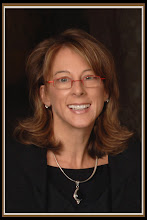
The following is a guest post by Dr Lilli Link on the topic of dairy consumption. There is so much controversy on this subject that I asked her if she would share her knowledge on the subject.


The second most frequent question I hear when I tell someone I eat a primarily raw vegan diet or suggest one of my patients try it is, “Don’t you need milk for your bones?” If you don’t want to read all the way through the blog to get the answer, I’ll give it away right now: No!
But if those reasons aren’t convincing enough, here is a list of problems that have been shown in scientific studies to be associated with eating dairy: constipation, acne, asthma, and eczema. With regard to cancer, the evidence indicates dairy may be linked to a decreased risk of some cancers and increased risk of others. But it definitely increases a hormone called IGF-1 (insulin-like growth factor-1) which is a tumor promoter – something we cancer survivors would just as soon avoid. Finally, it is full of antibiotics, dioxin and hormones. Even if you are drinking organic milk from a cow that was never injected with bovine growth hormone, the milk is still full of the hormones she produced naturally.
So there are a lot of reasons to stay away from dairy. But doesn’t it help make your bones stronger? How else can you get enough calcium in your diet? The US RDA for calcium is 1000-1300mg/day, depending on your age and gender. In fact, it is hard to consume that much calcium if you are not eating dairy. This may be where the confusion begins. In a study that compared calcium consumption in different countries, the countries with the lowest calcium intake, about 500-1000mg/day, had lower rates of hip fractures (the dreaded outcome of low bone density) than the countries with the highest calcium intake (over 1000mg/day). Another study showed that countries with the highest consumption of animal protein intake had the most hip fractures, whereas the countries with the highest vegetable protein intake had the fewest hip fractures.
Although a number of studies show that eating dairy is associated with a decreased risk for fractures, a similar number of studies show it makes no difference. One of the major obstacles to getting a true picture of the importance of dairy for bone strength is the way the studies are done. Study participants are asked what they usually eat and then followed to see how many end up with broken bones. Since milk is touted as a healthy food, the people who eat the best and exercise the most are also the ones likely to be eating the most dairy. Curiously, of the scientific review articles about dairy and osteoporosis, most of the ones that showed a favorable association between dairy and bone health were sponsored by the National Dairy Council.
Since people from other countries who eat much less calcium than we eat have fewer fractures, maybe it’s not all about how much calcium we eat. Actually, more important is how much we keep. There are two other nutrients, in particular, which affect how much calcium we hold onto: protein and sodium. The more protein and sodium we eat, the more calcium we urinate out. So if we eat less protein and sodium (which are all too commonly consumed in a Western diet), we probably don’t need to eat as much calcium.
The other side of the equation is the absorption of calcium. It is better absorbed in an acidic environment, such as with vitamin C. That means that the lemon juice on your green leafy vegetable is helping you absorb the vegetable’s calcium. And vitamin D also increases the amount of calcium absorbed by the body.
Finally, it is becoming increasingly clear that there are other nutrients that are also very important for bone formation, such as vitamin K (high in dark green vegetables) and magnesium (high in green vegetables and seeds).
If you are wondering if a raw vegan diet can be okay for your bones, there has actually been a small study which suggests that it is. In this study, the people following the raw vegan diet were much thinner and had lower bone density (which goes along with being thinner). The reassuring part of the study was that the blood markers of bone turnover (i.e., how much bone was formed and broken down) showed no difference between those who followed the raw vegan diet and those who followed a typical American diet that contained almost twice the amount of calcium as the raw vegan diet.
Perhaps you are starting to think you might like to take dairy out of your diet, and you want to be sure you are still getting enough calcium. Good sources are dark green vegetables, nuts and seeds. Especially good foods are collard greens, kale, almonds and sunflower seeds.
Now if you are interested, theoretically, in cutting dairy out from your diet, but need some added incentive, read on. (If you still want to enjoy your milk, however, I suggest you stop reading now!) As a result of the milking process, cows often have mastitis (an infection of the udder), making dairy full of white blood cells, aka, pus. This means your yogurt, cottage cheese, ice cream, etc., are also full of pus.
It’s been 10 years since I have had dairy of any kind, and at this point I no longer even miss the cheese that sits on top of my former favorite food: pizza. But if you think you need some milk or cheese substitutes there are plenty of vegan (e.g., soy or rice-based) and raw (e.g., nut or seed-based) options to satisfy your palate!
Lilli Link, MD, MS, is a board certified internist who has the knowledge and experience to combine conventional and complementary approaches to individualize and optimize your health. Since her own diagnosis of cancer over ten years ago, she has learned first-hand how to use diet and lifestyle to optimize her own health and the health of her patients. For more information about Lilli and her services, please visit: http://www.llinkmd.com/About_Dr.php
Elyn Jacobs
**********************************************************
Elyn Jacobs is President of Elyn Jacobs Consulting, Inc. and a breast cancer survivor. She helps women diagnosed with cancer to navigate the process of treatment and care, and she educates about how to prevent recurrence and new cancers. She is passionate about helping others get past their cancer and into a cancer-free life.


 Posts
Posts