Showing posts with label cancer. Show all posts

Thursday, February 2, 2012

The Financial Drain of Cancer /Applying for Disability

Battling cancer can be a financial nightmare for many people.  Cancer treatments can often leave people too sick or exhausted to continue working.  Below is some helpful information if applying for disability is something you are considering.

The Social Security and Disability Resource Center (SSDRC.com) is an informational website that provides answers to questions about how to apply for disability, how to appeal a claim in the event of a denial, how to navigate the federal system, and how to avoid certain mistakes that are commonly made by applicants. The site’s author is a former disability examiner for the social security administration.

Here is a link to the site's home page: http://www.ssdrc.com/
This page has information about how severe your condition must be in order to qualify: http://www.ssdrc.com/disabilityquestions1-37.html

Don’t qualify or need additional assistance?  Check for resources within the county and state that you live in.  There are many regional organizations that provide financial assistance as well as home care and meals during treatment.  A few examples:

The following is also an excellent resource for locating financial assistance:

Additional resources for financial assistance:


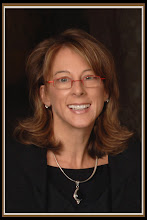
Elyn Jacobs
Elyn Jacobs is a certified cancer coach, a breast cancer survivor and the Executive Director for the Emerald Heart Cancer Foundation.  She empowers women to choose the path for treatment that best fits their own individual needs.  Elyn helps women to uncover the nutritional deficiencies and emotional stress patterns that may have contributed to their cancer and to support their body as it activates it own natural ability to fight the disease. She is passionate about helping others move forward into a life of health and wellbeing. To learn more about Elyn’s coaching services or to learn more about eating for life, please visit:  http://elynjacobs.wordpress.com. For information regarding grants for women utilizing integrative therapies for cancer, please visit: http://www.emeraldheart.org/.


Saturday, December 10, 2011

Changing the Cancer Environment

In The Redwood Forest, I talk about changing the cancer environment.  I decided this topic deserves more depth, so today’s post goes a bit further into the emotional and nutritional sides of cancer.  In good health, Elyn
Changing the Cancer Environment
Disease (is) not an entity but a fluctuating condition of the patient’s body, a battle between the substance of disease and the natural self-healing tendency of the body.        Hippocrates 
Cancer is not as complicated as many claim it to be.  Genetic, environmental, nutritional and psychological factors all play a role in the development of cancer.  However, the development of cancer is an indication that the body lacks the support necessary to destroy cancer cells. We all generate errant or mutated cancer cells in our bodies every day, yet only some individuals will go on to develop the disease.  Normally our immune systems destroy these errant cells, yet in individuals whose immune systems are severely compromised, this mechanism fails.  Quite simply, the key is to discover and repair what is not functioning by empowering yourself to make changes that support your body’s ability to resist the cancer process.

 You can’t alter your genetic factors. To some extent you can modify your environmental factors, but unavoidable perils lurk everywhere. However, you can change the psychological and nutritional factors that weaken the body’s natural defenses against cancer, and often times these changes can affect the way your body responds to genetic and environmental factors. For example, diet often trumps toxins by helping to remove toxins from the body, and diet can also influence the expression of genes.  Therefore, what is of far more interest than the risk factors or causes is what we can do about them. The key to survival is often changing the environment in which cancer was able to develop.  If we focus on the underlying conditions that may have contributed to the disease, we can likely prevent recurrence or reverse the course of the disease.  After all, it is not the primary tumor that kills us, but rather the progression of the disease.  Emotional patterns and dietary choices may neither be the cause or cure for every cancer, but any path taken, be it allopathic, integrative or alternative, will be more successful long-term if the mind and body are addressed.

“Cancer does not begin in the body; cancer begins in the brain   R.G.Hamer

There is a strong correlation between emotional patterns and the development and progression of cancer. The power of repressed emotions, anger, and resentment as well as a lack of self love is not to be overlooked in the creating and healing of our cancers. Emotional challenges can develop into physical ones; that is, emotions not expressed in words or actions find expression in physical ailments; physical symptoms are often related to past repressed traumatic experiences.  Toxic defense mechanisms are often developed in childhood to survive life’s inevitable traumas.
I remember my first visit to my integrative oncologist, Mitch Gaynor.  The interview lasted several hours, and at one point he mentioned that he thought my cancer likely had much to do with something that happened to me when I was five years old; something that caused me to repress emotions that would later have contributed to my cancer.  He said that many people suppress their feelings in order to keep peace with others or to spare themselves or others from pain.  We talked about my life-long desire to be the peace-keeper, to the point where my family dubbed me “Julie the cruise director”.  For those of you who remember The Love Boat, it was Julie’s job to accommodate others, to be perky, and to ensure that everyone on the boat was happy…a tall order. Our physical health is compromised when we chronically repress our needs and feelings to accommodate others.  This coping style weakens our immune defenses and leaves us more vulnerable to cancer progression. I have worked with him to make a more peaceful, but expressive life, and in doing so, have found appropriate ways to express my emotions; I have learned to put myself first at times.

Stress per se is not a critical factor in illness; it’s how we respond to it that matters. The key is to express it appropriately and then let it go, so that it doesn’t fester or build, or escalate out of control. Healthy is not just a matter of thinking happy thoughts, but rather to learn how to express our emotions. Take a walk, run, have a massage, listen to music, take a bath, yell (or at least make your distress known) --anything that can release stress and stored or blocked emotions. We cannot control the reactions of others. However, although people may initially react when you begin to express your emotions and speak honestly, in the end it raises the relationship to a whole new and healthier level. Either that or it releases the unhealthy relationship from your life. Either way, you win.

The immune system is often suppressed in people who feel they are not able to change the negative conditions of their lives, and are involved in toxic relationships.  Situations in which a woman has a physically or emotionally abusive man in her life or is stuck in a non-nurturing marriage or even in one where a husband is unable or unwilling to support his wife’s emotional needs can trigger a cascade of biochemical changes that help create a fertile field for breast cancer to grow.

This is not to say that everyone involved in a toxic relationship or who has relentless, unaddressed stress will develop cancer.  However, to help avoid a recurrence of cancer or to reverse the disease, you need to change the environment in which cancer was permitted to grow.  Identifying and releasing deep-seated negative emotions and thought patterns, while maintaining an attitude of hope and positive beliefs, can make the all-important difference in the pursuit of wellness. If you suspect negative relationships to be part of the cause, it’s time to make some changes. Make a commitment to yourself and eliminate the toxic relationships in your life, celebrate you and make sure you are a priority in life, not an afterthought. Consider stress reducing therapies such as Reiki, yoga, meditation, or kinesiology.  Join a support group to talk through your frustrations and to connect with others.

 “Let Food be thy Medicine, and Medicine be thy Food”        Hippocrates 

Diet should be an important part of your anticancer strategy.  The cellular level is where cancer begins and where nutrition exerts its greatest effect. Our nutritional status either weakens us, making us susceptible to the development of cancer, or strengthens our bodies’ defense mechanisms, enhancing our ability to prevent renegade cells from becoming tumors, to avoid recurrence and often to reverse the disease.  Cancer loves inflammation, and inflammation plays a role at all three stages of cancer: initiation, progression and metastasis. Most foods either encourage or discourage inflammation.  A diet high in trans-fatty acids, carbohydrates and sugar helps the body to create inflammation, whereas a diet heavy in vegetables, whole grains and omega-3 fatty acids puts the brakes on the process. For an in-depth discussion on inflammation and its role in cancer, please visit: http://www.embodiworks.org/cancertreatments/bodymindspirit/inflammation/

In general, a high fiber, low fat, low protein diet rich in fruits and vegetables is recommended (as well as exercise and maintaining a healthy weight).  Avoid red meat (occasional organic, grass-fed meats are fine). Dairy consumption is somewhat controversial, but most would argue that avoiding or limiting dairy is best.  Remember, we want to enjoy life; deprivation can lead to depression and reduced enjoyment of life.  If eating cheese is of great pleasure to you, then by all means, have some, but try to find raw, organic cheeses made on small farms to avoid pesticides and unnecessary hormones.  For more information on dairy, please visit:  http://elynjacobs.blogspot.com/2011/10/shedding-some-light-on-dairy-var.html

Antioxidants and the immune system play critical role cancer prevention and in their ability to destroy cancers already present. Antioxidants protect cells and tissues, and remove the free radicals created by exposure to radiation, chemicals and inflammation.  Foods such as flaxseed, rosemary, apples, red wine, leafy greens and cruciferous vegetables help remove and disable troublesome estrogen from the body. The immune system, and specifically NK cells (natural killer cells), are able to attack and kill a wide variety of cells and patrol the circulatory system and organs of the body on an antigen seek-and-destroy mission, so keeping these super-soldiers in optimal fighting condition is necessary to beat cancer.  A lack of minerals and nutrients will decrease the activity of these soldiers and compromise the immune system. Please include a wide variety of anti-cancer foods as each nutrient plays its own role in the prevention of cancer. To learn more about cancer-fighting foods, please visit: http://elynjacobs.blogspot.com/2010/12/eating-to-cheat-cancer.html

Remember, the goal is to empower yourself to take responsibility for your own healing and to encourage you to take action, without creating a sense of guilt.  If you have cancer, think long and hard about how you got to this place in life, and what kind of joyful and fulfilling future you want to create as a survivor.  You can’t change the past, but you can take control of your future. Understanding which behaviors, ingrained patterns and dietary deficiencies we can begin to change in order to strengthen our immune systems and to allow our bodies to heal is the first step in the pursuit of wellness. Resolving these issues and moving towards a happier, healthier life is why many survivors say that getting cancer was the best thing that ever happened to them.

To read more about Dr Hamer’s theory, please visit: ww.newmedicine.ca; http://www.learninggnm.com/home.html

To learn more about how psychological change can repair and empower a compromised immune
system, please visit:  
www.cancerasaturningpoint.org/  Cancer as a Turning Point, by  Lawrence Leshan, PhD
www.cancer-report.com The Cancer Report, by John Voell and Cynthia Chatfield 
http://www.gaynoroncology.com/ Dr Mitch Gaynor, Gaynor Integrative Oncology


Elyn Jacobs
elynjacobs.blogspot.com
elynjacobs.wordpress.com

*********************************************************
Elyn Jacobs is President of Elyn Jacobs Consulting, Executive Director for the Emerald Heart Cancer Foundation, a certified cancer coach and a breast cancer survivor.  Elyn helps women diagnosed with cancer to navigate the process of treatment and care, and educates to prevent recurrence and new cancers. 

Wednesday, November 9, 2011

The Illusion of Protrusion

For many women, feeling better about themselves involves cosmetics, hair color, a new dress.  For others, it involves a bit more.  For cancer patients, it takes on a whole different meaning. The last thing a breast cancer survivor wants is to be reminded of the tragic ordeal they’ve been through.  Those who have had to endure a mastectomy, whose nipples are either removed or left asymmetrical or changed, are often saddened by looking down or in the mirror. Beauty may be in the eye of the beholder; but when cancer survivors look at themselves in the mirror, they focus on the scarred tissue from cancer surgery, the doughy flesh of reconstructed breasts and the baldness left by chemotherapy. The person they see in the mirror is unfamiliar, ugly, and unfeminine. Yes, cancer survivors will agree, they’re lucky to be alive, but it’s not enough. They long to look attractive and feminine again, to feel whole. Physicians may be able to restore the body, but artistically-applied paramedical tattoos and permanent cosmetics can help to revive the soul, restoring the natural beauty and self-assurance that cancer stripped away.

Quality of life is important to me, and is a critical part of my blog content, so I spoke to two incredible permanent make-up artists about this issue.  The First was Vicki Maierle. While working with a plastic surgeon that specializes in breast reconstruction, Vicki saw the devastation that cancer can bring to a woman’s body and confidence. As a permanent makeup artist, she creates new eyebrows, eyeliner and lips. When she saw the scars and the lack of any color in the areola and nipple of the reconstructed breasts, she knew that she could help.  She expanded her focus to restore the color back into the areola and nipple and to camouflage the scars to make these women feel whole again. For those women who cannot or prefer not to have the nipples, a hand tool can be used to create shading with different colors to make it appear as though they have a nipple, it's an optical illusion! She also creates eyebrows for patients who have lost the hair from treatments, as well as eyeliner.

Vicki travels to many different cities so that the patient does not have to travel to have this done. She then return a couple months later to follow up, as this is not a one-time procedure; the color softens and each individual holds the color differently. She calls this visit "Fine tuning" as she works on making the breasts as symmetrical as possible.

For Vicki, it’s an amazing feeling to see women get all excited about their breasts again.  The smiles and comments she gets are priceless, but for her, the important thing is knowing that what she does helps to improves the lives of cancer patients. 

I then spoke with artist Melany Whitney at the Whitney Center for Permanent Cosmetics.  In working with breast cancer survivors who had undergone mastectomy, Melany was struck by the importance women placed on having a normal-looking breast. Blank breast mounds were a daily reminder of their struggle with cancer, preventing them from moving forward with their lives. The absence of a natural-looking areola and nipple intensified their loss, making women feel unfeminine and incomplete. Doctors’ offices, spas and tattoo shops have begun offering cosmetic tattooing. A nurse or ink tech may be able to tattoo a bull’s eye on a breast mound, but that won’t make it look like a real breast.

Melany explained how she uses her three-dimensional cosmetic tattooing technique to create what she calls “the illusion of protrusion” that makes breasts look completely normal and natural. The signature Whitney technique combines a decade of microdermal training and experience with her unique understanding of scale, proportion, shading and color theory...that truly only a fine artist has, and is her company’s logo. "Only an artist makes science so beautiful, ever since I saw that first woman without a ‘face’ on her breast, I knew I had to do this. The completion of the areola complex through tattooing provides an opportunity for women to move forward with their lives.” Melany’s artistry is also exhibited in her technique of single hair line stroke brows, expertly positioned to take advantage of the strength of a woman’s facial morphology and to create symmetry and balance that often women are not born with but can now have if they have lost the brows to Chemo. Many thanks to Melany for the use of her beautiful paintings, they really pay tribute to her work! 

 Many people who could benefit from paramedical tattooing do not realize that, in many cases, it is covered under their medical insurance plan. Paramedical tattooing is often performed to complete breast restoration after mastectomy or hide scar damage from accidents or surgery. In 1998 Congress passed the Women’s Health and Cancer Rights Act that forced traditional health insurance companies to cover reconstructive surgery and related services associated with breast cancer reconstruction when those services are recommended by the patient’s attending physician. Elected medical ancillary services, including paramedical tattooing to complete breast restoration after mastectomy, provided by qualified providers are covered by most insurance plans. This gives breast cancer survivors the freedom to select a paramedical tattoo professional based not on cost but on the quality of the services provided. Too often recovering breast cancer patients are unaware of their legal rights and believe their only option is to return to the hospital to have the final step in the reconstruction of their breast performed by a physician or nurse without the practiced experience and artistic eye of a permanent make-up artist.

Vicki Maierle-Foss is President and CEO of “The Pink Icing on the Cake”. Vicki provides permanent make-up creating beautiful eyebrows, eyeliner, and lips and restores the color in the breasts. Her passion is to educate all women that this is part of the reconstruction and that most insurance companies are now paying a portion of this procedure. Vicki has recently been honored with the Cambridge Who’s Who award for Achievements in Permanent Make Up. For more information about Vicki, please visit: http://www.thepinkicingonthecake.com/

Melany Whitney, CPCP, DAAM, CMI is President of the Whitney Center. She has been named "the voice of permanent cosmetics" by the largest professional industry society, the Society for Permanent Cosmetic Professionals, due to her expertise and her prominence in the NYC media arena. Melany practices in medical offices in New York City, New Jersey and So. Florida where she sees clients from all over the world, and is the preferred artist for referrals from the top reconstructive physicians in the New York metropolitan area. For more information about Melany and the Whitney Center, please visit:www.permanentmkup.com

For more information on permanent makeup for cancer patients, please visit: http://plasticsurgery.ucla.edu/body.cfm?id=91

Elyn Jacobs

*******************************************
Elyn Jacobs is Executive Director and the Director of Grants for the Emerald Heart Cancer Foundation, a certified cancer coach and a breast cancer survivor.  Elyn helps women diagnosed with cancer to navigate the process of treatment and care, and she educates about how to prevent recurrence and new cancers.  She is passionate about helping others get past their cancer and into a cancer-free life.


Wednesday, October 19, 2011

Exercise May Improve the Quality of Life for Cancer Patients


Today’s guest post is by a wonderful young lady, Liz Davies.  Liz was influenced by her mother, an oncology nurse who saw, first-hand, the devastating and debilitating side effects cancer treatments often create.  Sadly, the risk for potential side effects is often not sufficiently explained to patients, nor are suggestions offered to help patients avoid or manage these issues. Her goal is to educate patients on ways to minimize the side effects of cancer treatment so that they may move forward into a life of wellness and health.  We all look forward to a day when cancer treatments do not negatively affect quality of life, but in the mean time, it is helpful to know that there are steps one can take to lessen the effects of treatment.

Exercise May Improve the Quality of Life for Cancer Patients
Cancer strikes millions of Americans each year, and while advancements in modern medicine have resulted in a lower mortality rate for many types of cancer, certain treatments are associated with negative side effects such as fatigue, muscle wasting, nutritional deficiencies and in many cases neuropathy. Some of these issues will lesson or cease after treatment ends, but some never fully go away.

Regardless of one's physical condition prior to becoming ill, evidence suggests that significant benefits can be realized by those who participate in physical activity during cancer treatment. For many years, the general opinion of most medical professionals was that the best place for those undergoing cancer treatment was bed. However, research conducted over the past decade strongly suggests that this is not always the case. Some oncologists are now encouraging patients to participate in moderate physical activity, and some doctors even prescribe exercise for their patients.


Selecting an Exercise Routine

Choosing the most suitable exercise is a decision based on many variables, and these should be discussed with one's doctor or oncologist. Each patient is different, and the most appropriate exercise for one person may not be suitable for the next. Overall, the exercise routine selected depends on the patient's individual goals, and what he or she hopes to achieve. For instance, the radiation and chemotherapy treatments typically used for that battling breast cancer can create high levels of chronic fatigue, making aerobic exercise the best choice for such patients. There are a few reasons why exercise creates higher energy levels. People who exercise have an increased heartbeat which causes more oxygen to be absorbed by brain cells causing people to feel more alert and energetic. When muscles are conditioned it makes daily tasks much easier. Lastly, exercise boosts the immune system which helps makes it so people do not get sick as often which drains us of energy.
Androgen deprivation therapy–ADT–is a testosterone reducing treatment frequently prescribed for prostate cancer patients, which often results in muscle wasting. In this case, light resistance training would most likely produce the best results. Lung cancer patients typically battle extreme fatigue and breathing problems, therefore exercises that help to increase the patient's lung capacity are the wisest choice. Lymph edema–swelling of the extremities due to fluid build-up–is also a common side effect of many cancer treatments and certain exercises can lessen the occurrence of this side effect. For those suffering from or at risk for Lymph edema, please consult a therapist trained in this condition.
 Cancer and Depression
Most cancer patients struggle with some level of depression due to the seriousness of their disease. This is especially true for patients who are battling illnesses that are associated with a high mortality rate such as lung cancer or pericardial mesothelioma, pancreatic and advanced breast cancers. Exercise has been proven to stimulate the production of beta-endorphins, which combat depression and can help patients to better cope with their situation. A study conducted at the Mayo Clinic University indicated that those who participated in physical exercise experienced less depression than those who shunned exercise in lieu of anti-depressant medication. However, one should not stop taking a prescribed anti-depressant without first speaking to his or her doctor.

Battling cancer takes courage and determination, and anything that can assist a patient to feel stronger and more in control of his or her life should be pursued. Therefore, it is wise for those who have been diagnosed with cancer to speak to a doctor or oncologist about starting an exercise program and utilizing other supportive therapies, and to be sure all potential side effects are discussed prior to the onset of treatment.  
For more information, please visit:

Liz Davies is a recent college graduate and aspiring writer especially interested in health and wellness. She became particularly interested in ways cancer patients can cope with the side-effects of their treatment after her mother became an oncology nurse for lung cancer.
Elyn Jacobs

**********************************************************
Elyn Jacobs is President of Elyn Jacobs Consulting, and a breast cancer survivor.  She helps women diagnosed with cancer to navigate the process of treatment and care, and she educates about how to prevent recurrence and new cancers.  She is passionate about helping others get past their cancer and into a cancer-free life.

Monday, October 3, 2011

Psychological Healing

The following is a guest post by Katie Evans.  Katie is funny, social, and outgoing and doesn't plan on letting breast cancer get in the way of any of that. Diagnosed in March at the age of 26 and having completed chemo in September, she is on the mend. She has an incredible support system and plans on paying it forward to other young women fighting breast cancer.  When I read her post, I asked if I might share it.  Thank you Katie…
It feels so good not to live my life in 3 week, chemo-based, increments anymore. I feel like I can plan a little for the future and not have to cram everything into two week periods before I’m laid up from chemo again. I am well into my Christmas shopping and planning my weekends in October and November without having to keep my bowel activity in mind.
I am still far from ‘normal’ but things are looking up. My hair is growing back and I’ve started using shampoo AND conditioner, my stupid armpit hair is growing back as well (too much information??), but my eyelashes and eyebrows are still MIA. I still get stared at but keep in mind, I’m 6 feet tall, queen size is an understatement, and I’m bald; people are going to stare. In the beginning, the staring didn’t bother me because I was very conscience of being bald; I was checking myself out in a mirror every chance I got. But as I got used to my bald head and strangers continued to stare, I kind of got annoyed. I wanted to go over to them and say ’yes, it’s cancer’ but instead I just kept walking. It took me a while to realize that not everyone staring was doing it out of ignorance, I’m sure some were looking at me thinking of a loved one who had gone through chemo, and maybe others were thinking that I was brave leaving the house with my bald head uncovered.
Someone mentioned to me that I should go over to the gawkers and say, very seriously, ‘do you have any questions?’ and I loved the thought of that. Those who are ignorantly looking at me probably do have a lot of questions about cancer, and chemo, and being bald, etc. etc. etc. and wouldn’t it be awesome to be able to answer those questions right on the spot (although, who would say ‘yes, actually, I do have a few questions…’?).
Having cancer has made me re-evaluate my reaction to otherwise frustrating situations. When someone cuts you off on the way home maybe he was preoccupied because his doctor just told him he had cancer. When someone doesn’t hold the door open for you when your hands are full, maybe that person is thinking about his/her daughter that’s in chemo who he/she can’t be with her every day. When someone screws up your morning coffee, maybe she is thinking about the lump she found this morning in the shower. If 1 in 3 people will have cancer, imagine how many people are affected by it. Maybe when people are staring at me, they are admiring the way I’m kicking ass.
Keith and I were talking about the day that I was diagnosed last night. He said that he remembers thinking about the long road that we had ahead of us and now look at where we are, I finished chemo and am starting to heal. I had a bit of a cry tonight as I looked back at the past 6 months. It’s almost like when you’re going through it, you don’t realize the severity of it all but looking back it sets in a little bit. I think of those days that felt like years, the days that felt like no matter what I did, I was going to feel deflated and alone and ‘sick’ for the rest of my life; I can safely say, chemo was the scariest time of my life.
I have learned a lot that can’t be understood unless you’ve gone through a cancer diagnosis/treatment and I think anyone who has been through it ‘just gets it’ and those who haven’t ‘just don’t', and by ‘just don’t’ I guess I should say ‘just can’t’. I was prepared for the physical reaction to chemo but not the psychological. If you know someone who is going through or has gone through cancer (the psychological healing is lifelong – it doesn’t end when treatment ends) please call them or send them a card this week. Tell them that you are thinking about them and ask them if there is anything you can do for them. Better yet, just do something nice for them because the odds of them asking for anything is slim to none. Many times, I felt helpless and asking for help would have made me feel worse but having something nice done for me without having to ask felt so good.  
I had many friends checking in on me throughout chemo and as I have said many times before, my support was incredible but there were many friends who called once or not at all. To be fair, many friends just don’t/can’t get it (how would they if they’d never been there) but having gone through it, if I can pass on any advice to those caregivers or friends of patients; let them know that you are thinking about them, let them know that you will be there from the day of diagnosis, to chemo graduation day, from the first doctor’s appointment to the last day of Tamoxifen, from the first day without a breast to the last breath. I just think that if I wasn’t warned about the psychological part of cancer, how can someone without cancer know about it? 
Women in their 20s with breast cancer is not a group I wanted to belong to however, now that I am a member, I am honored to fight with these women. It’s not only amazing how many young women are affected by breast cancer but it blows me away how strong they are. It’s like when the cancer/treatment made them physically weaker it made them emotionally stronger at the same time.
Elyn Jacobs

******************************************************************
Elyn Jacobs is the Director of Grants for the Emerald Heart Cancer Foundation and a breast cancer survivor.  She helps women diagnosed with cancer to navigate the process of treatment and care, and she educates about how to prevent recurrence and new cancers.  She is passionate about helping others get past their cancer and into a cancer-free life.


Wednesday, September 21, 2011

Information is Power

Information is power. It can help you to successfully navigate the cancer journey. Every individual and every cancer is unique.  Knowing your options and obtaining the necessary information is critical in order to make the right choices for you, for your cancer.   The right plan, as well as the right team, can make all the difference in mortality as well as in quality of life.
To read my blog about finding the right team, please visit: http://elynjacobs.blogspot.com/2011/05/cancer-find-right-team.html

 You have more options than you think when choosing a treatment plan.  Conventional (allopathic) medicine offers surgery, radiation, chemotherapy, and other medical interventions to battle cancer.  For many, this is the route to take.  For others, surgery may be acceptable, but radiation and or chemotherapy either are not an option or are not acceptable to the patient.  Some will take the integrative approach, combining conventional with alternative therapies, and some will choose to use only alternative methods.   Keep in mind that within these modalities, there will be further decisions to make, for example which of the surgical options or chemotherapies would be best.   Information is power.

Today we have genetic testing that enables the oncologist and patient to make more informed choices for a treatment plan.  For example, when considering Tamoxifen, one might request a test such as Mamaprint or a CPY2D6 test.  These tests will help your doctor to determine if Tamoxifen would be effective for you.  When chemotherapy is advised, the patient and doctor have many options.  The oncologist will recommend the course of treatment that he or she feels would be best for your cancer.  However, often times this requires a trial and error period during which the patient starts and stops many different drugs in response to tolerance and effectiveness. 

Now we have molecular-level diagnostic testing which can help oncologists receive more information on an individual’s cancer, and to develop a more personalized cancer treatment plan.  One resource for this is www.n-of-one.com.  Since each patient’s cancer has a specific genetic and molecular signature, this group focuses on how that may affect its response to different treatments. Identifying the biological markers driving a particular cancer may help to determine the best treatment option.

CellSearch, a circulating tumor cell test, helps doctors determine the prognosis of patients and offers a reading of tumor information so that oncologists are better prepared to care for their patients.  My hope is that these tests can also aid patients in their decisions for surgical and alternative options.

Now, it’s great that we have all these tests, but the next challenge is how do we make people aware of them? The buzz is on amongst the online support sites.  Some of my favorites for support and advice are:

Today I came upon a new site, www.IsMyCancerDifferent.com.  Their goal is to help patients understand how their cancer is unique and why it matters.  Cancer is not just one disease, so cancer treatment must be tailored to the individual cancer and circumstances of each patient. They believe that sharing this knowledge can inspire and empower patients to seek out the most appropriate treatment for their unique situation.  Right up my alley, you know how I like that word empower.

For more information on genetic testing and Cell Search, please visit:
Elyn Jacobs

*******************************************************************
Elyn Jacobs is President of Elyn Jacobs Consulting, the Director of Grants for the Emerald Heart Cancer Foundation and a breast cancer survivor.  She helps women diagnosed with cancer to navigate the process of treatment and care, and she educates about how to prevent recurrence and new cancers.  She is passionate about helping others get past their cancer and into a cancer-free life.

Wednesday, August 31, 2011

Asbestos and Mesothelioma

The question most of us have is that when is a minor issue a problem that deserves attention.  As I mentioned in an earlier post (http://elynjacobs.blogspot.com/2011/07/tamoxifen-friend-or-foe.htm) I have been coughing since December. Could be asthma and allergies, they say, but I am not responding to those meds. So, the question my oncologist and internist (and husband) want to know is why. I blamed the Tamoxifen, and while no one is arguing with me, they still want confirmation that I don’t have some other issue. Since I am phobic about unnecessary tests and drugs, I have put off this question.  However, Onc strongly insisted on a chest x-ray and internist says that while that scan was clear, I must see a lung specialist (pulmonologist) as something is not quite right.  Super.  So I decide to wait until after the hurricane (clever avoidance) but alas, I will go.  I have always worried about asbestos exposure, building I worked in during the early 80’s was condemned and asbestos removed.  At the time, all I knew is being there made me very ill, despite the fact that I loved the job. I am sure that I kept the makers of Kleenex sitting pretty.  Naturally now I wonder if there is a connection to my cancer and that exposure. I also worry about my exposure during 9/11.  Sorry, but those who were to protect us lied and assured us all that the air was safe, now we see the truth, and many have suffered and died. My markers have been good, so I am not terribly concerned, but I am concerned that they will order more tests and prescribe more drugs.  Ah, I guess it is what it is and in the scheme of things, what can I complain about. 
So when is a symptom something to worry about?  I’d say when it is persistent and does not respond to remedies. This brings me to today’s guest post by Ben Leer, Outreach Coordinator for the Mesothelioma Center (Asbestos.com). Mesothelioma is a cancer that often goes undiagnosed until late stage, so when Ben asked if he could guest blog about it, I said yes. Please remember that just because you have some of the symptoms, this does not mean you have cancer, and at the same time, just as with other diseases, you need not have all the symptoms to have the disease.
Asbestos and Mesothelioma

Asbestos was a mineral widely used in manufacturing.  It had amazing strength and heat resistant properties.  Common household items that contained asbestos products included; paint, dry wall, insulation and flooring. The uses of asbestos were not limited to the household.  It was incredibly versatile and found uses in the military, railroads, textile mills, automobile industry and more. 

In 1989, the Environmental Protection Agency (EPA) had begun banning and a phasing out existing products that contains asbestos.  This was due to an overwhelming amount of evidence that linked asbestos to a cancer called Mesothelioma.  Asbestos exposure accounts for 4% of lung cancer cases. The same material that was meant to protect us from fire hazards actually caused cancer.  Lung cancer cases occur more than any other cancer. In 2011 there will be an estimated 221,130 new cases with 156,940 deaths.
Mesothelioma occurs when ingested asbestos fibers become lodged in the lining of our organs and irritate the neighboring cells.  Our bodies are not well equipped to remove the rigid and strong asbestos fibers. Eventually, this irritation may turn into a tumor which can lead to the growth of cancerous cells.  The latency period for this to occur is anywhere between 20-50 years after initial exposure.

The most common form of mesothelioma accounts for around 75% of cases and occurs in the lungs. Symptoms include chest pains, shortness of breath, reduced chest expansion, harsh breathing sounds, dry cough, wheezing, and pleural effusions. Early detection of mesothelioma is a key component to prognosis.  Imaging tests such as CT scans, PET scans or MRI’s are common and produce a detailed picture of the progression of the cancer.  The real key is prevention.  Being able to identify asbestos and avoid becoming exposed.

Many people may have been exposed and may not be aware.  Veterans comprise 30% of mesothelioma cases since every branch of the military had used asbestos. Ships, battle cruisers and submarines contained asbestos in the insulation of engine rooms along with several other components.  Other occupations that have been exposed to asbestos are shipyard workers, demolition, industrial plants, pipefitters, and machinists.

If you would like more information on asbestos exposure and asbestos related diseases, please feel free to visit the Mesothelioma Center, Twitter or Facebook.  You will be able to find over 3000 pages of comprehensive content that is designed to walk a patient through symptoms, diagnosis and prognosis. Additionally, we provide free informational material, as well as direct contact with one of our Patient Advocates.

Elyn Jacobs
**********************************************************
Elyn Jacobs is President of Elyn Jacobs Consulting, Inc. and a breast cancer survivor.  She empowers women diagnosed with cancer to navigate the process of treatment and care, and she educates about how to prevent recurrence and new cancers.  She is passionate about helping others get past their cancer and into a cancer-free life.


Thursday, August 25, 2011

Health & Fitness Helps Cancer Patients Improve Their Health

Today I would like to share with you a guest post by blogger David Haas. David is a cancer patient advocate who spends time writing and researching for the betterment of others.  You all know how I stress exercise during and post treatment.  David shares with us some helpful information on the subject.  Just remember, during treatment, you need to listen to your body and your mind.  Some days you may feel like exercising and some not; this is okay; really….my wish is for you to feel good about it and yourself.  Be well. 

Health & Fitness Helps Cancer Patients Improve Their Health, by David Haas

For a person who just received a cancer diagnosis or is experiencing physical pain from cancer treatments, physical activity may seem like the least beneficial thing they can do for themselves. Cancer patients may feel tired after their treatment, and they may not feel up to the challenge. However, becoming or remaining physically active is actually the best thing that a person who is battling cancer can do, and it has benefits that extend far beyond weight loss or increased agility. There is a proven connection between the body and the mind. Consequently, keeping both of them healthy is the best way to achieve a balanced life beyond a cancer diagnosis.

According to an article by the National Cancer Institute, fatigue and physical functioning are factors that directly influence the quality of life for cancer patients.  This has the same effect whether someone is undergoing chemotherapy for breast cancer or going through painful and overwhelming mesothelioma treatment. If a cancer patient is experiencing extreme tiredness from treatments or from mental stress, they may not want to engage in exercise. However, fatigue may soon set in as a result of inactivity. Then, reduced physical functioning is almost sure to follow. Because this will lessen the quality of life for the cancer patient, keeping a schedule of regular physical activity is of the utmost importance.

Along with keeping the body and the mind healthy, engaging in fitness activities while undergoing treatment can also help some patients keep their weight down and their muscles well toned. Weight gain can occur due to some of the medicine that a cancer patient is taking, or as a result of neglecting to carefully monitor their diets. Working with a doctor or fitness expert to create a fitness routine that can effectively address these issues will help to make sure that the patient’s body remains in the best possible condition throughout the process of diagnosis and treatment.

The National Cancer Institute article mentioned above states that there are often more gains in health that happen with cancer patients who exercise than with those who do nothing at all. This should help cancer patients understand the importance of making sure that fitness is a priority. It is understandable that someone who has just finished a chemotherapy treatment or a round of medicine may not always feel up to walking on the treadmill or biking through the park. In these cases, it is imperative that the patient remembers that balance is the key to achieving a healthy body and healthy mind. When balance is the ultimate goal, fitness can become an enjoyable part of any cancer patient’s life.

Elyn Jacobs
**********************************************************
Elyn Jacobs is President of Elyn Jacobs Consulting, Inc. and a breast cancer survivor.  She empowers women diagnosed with cancer to navigate the process of treatment and care, and she educates about how to prevent recurrence and new cancers.  She is passionate about helping others get past their cancer and into a cancer-free life.