Showing posts with label breast cancer. Show all posts

Monday, October 8, 2012

Same Guys, Different Room: Why we don’t have a Breast Cancer Vaccine


We could, you see, have a preventive breast cancer vaccine sooner, not later. I remember in my conversations with Dr Devra Davis, we talked about the ridiculously long delay for the declaration that smoking causes cancer; yup, the money was in the tobacco, and many of the honchos in the ACS were smokers.  So, it would seem to me that now the money is in big Pharma, and the FDA just doesn’t have the baba....guts (keeping it clean) to stand up to them or to turn down the money.  I read that in August 2011, the FDA gave Dr Keith Knutson the approval to proceed to the trial phase for two new cancer vaccines that fight cancer; the goal—to prevent recurrence.  While this is huge, what struck me is that maybe the FDA and Big Pharma thought this was okay because the caveat is that you won’t qualify for the vaccine unless you’ve already agreed to take their toxic and very expensive chemo.  So what if women don’t want to be diagnosed with breast cancer; have they considered this?  Have they considered that many don’t want to be told they have to accept chemo? Apparently not.  However, it moves; we will see this vaccine—if we live long enough.  Thank you, Dr Kathleen Ruddy for an informative and humorous post.  I have no doubt that this vaccine will become a reality; my hope is that it is sooner than later. http://breastcancerbydrruddy.com/?p=4183#more-4183

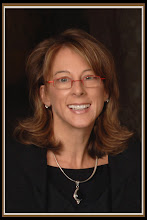
Elyn Jacobs is a breast cancer survivor, professional cancer coach, radio talk show host, speaker, and the Executive Director for the Emerald Heart Cancer Foundation. Elyn empowers women to choose the path for treatment that best fits their own individual needs. She is passionate about helping others move forward into a life of health and wellbeing. Elyn lives in New York with her husband and two young boys. Find Elyn at www.elynjacobs.wordpress.com. To tune into the Survive and Live Well show, visit www.W4CS.com, Tuesdays at 1pm, EST.

Follow Elyn on Twitter@elynjacobs, Facebook @Elyn Jacobs Consulting and LinkedIn @Elyn Jacobs

Click here to view Elyn’s story on CNN Money–Seven cancer survivors confronted life-threatening diseases and turned their experiences into successful small business ideas; read the stories of survivors whose cancer inspired them to help others with cancer.

Thursday, June 7, 2012

CREATING A CANCER DETERRENCE ZONE


Today I want to share with you a wonderful opportunity.  Helayne Waldman is offering a fantastic webinar to help you create and maintain a "cancer deterrence" zone. Helayne is a holistic nutrition educator with a passion for helping those with breast cancer.  A faculty member at Bauman College, Waldman is also a columnist, a private practitioner, and a consultant to breast cancer clinics and doctors in the San Francisco Bay Area.  She is also the co-author of The Whole-Food Guide for Breast Cancer Survivors, an integrative, whole-foods guide to rebuilding health after surviving breast cancer, and reducing risk of recurrence.  Helayne was also my guest last week on the Survive and Live Well radio show.  Hope you can make it!
My very best, Elyn


 Helayne Waldman, Ed.D., co-author (with Ed Bauman) of THE WHOLE FOOD GUIDE FOR BREAST CANCER SURIVOVRS

In this webinar series we’ll cover three areas that are of critical importance in helping you create and maintain a “cancer deterrence” zone:

Part I:  Adapting an unadulterated, nutrient rich diet. 
This is the first step in your establishing your cancer deterrence zone – being well nourished.  We’ll look at what that means, and how to make sure you’re getting all the nutrients you need to help keep cancer at bay.  We’ll also discuss how to make sure your supplements are doing you more good than harm!

Part II:  Achieving healthy weight, blood sugar and insulin levels.
Much as we try, standard American diets, hormone disruptors, endocrine disorders and other issues make it difficult to maintain a healthy weight and blood sugar.  This program will focus on strategies for losing the fat, lowering the sugar and in the process, creating a lean, mean, muscular body that  is more resistant to cancer.

Part III:  Tips for managing your hormones with food.
Hormones can be your friend or foe.  Find out how to get them working with you and not against you by using food and nutrient strategies that work!  We’ll also leave plenty of time for Q & A on this call.

3 weeks, 4 ½  hours that can change your life.  only
  $69 
Wed., June 13
Wed., June 20
Wed., June 27
8-p.m. edt;  5-p.m. pdt

To register, visit www.wholefoodguideforbreastcancer.com and click on the Webinar link.  
Elyn Jacobs is a breast cancer survivor, a professional cancer coach, a radio talk show host, and the Executive Director for the Emerald Heart Cancer Foundation. Elyn empowers women to choose the path for treatment that best fits their own individual needs.  She is passionate about helping others move forward into a life of health and wellbeing. To learn more about Elyn’s coaching services, please visit:  http://elynjacobs.wordpress.com/.  To tune into the Survive and Live Well radio show, please visit http://www.w4cs.com/, Tuesdays at 1pm (est).


Saturday, April 14, 2012

Breast Cancer Coach’s Tips for Mastectomy – Elyn Jacobs

Below is a Youtube video I did with http://www.breastcanceranswers.com/

April 12, 2012  
Elyn Jacobs is a breast cancer survivor and certified cancer coach. When she was faced with a mastectomy she made several decisions to help her get the best treatment for her specific cancer. After going through the experience herself, she now shares her wisdom with others just like her so they will be empowered to do the same.

Elyn Jacobs: I have three tips for you if you are facing mastectomy.

 Tip number 1 – Get a second opinion. You have time to get this right. Surgical options vary from doctor-to-doctor and amongst cancer centers. So second opinion is very important. It can offer you more options and it can offer the chance to regain control.
A second opinion can also help give you confirmation of a suggested protocol. Doubt brings stress and fear, neither of which is conducive to survivorship and healing. Confirmation allows you to go forth with confidence.
For me, a second opinion made all the difference. First doctor walked in, was very nice, offered me no options and simply handed me the name of a plastic surgeon to go and see.
The second doctor walks in, lays out several options and then asks me several lifestyle questions. He suggested that we do the incision via the inframammary fold, which means hiding the scars in the bra line.
I then asked him if I could keep my nipples, and he said, “Well yes, I believe you are a candidate for that also”, and he asked me if he’d like the plastic surgeon to come in now so that I don’t have to come back for yet another appointment – my hero!
She walks in, lays out several options and then she and I together discussed which would be best for me, for my body, for my cancer. I leave there feeling that these doctors really care about me, not just my cancer – me, as a person. I will come out of this whole; I am now confident and empowered.

Tip number 2 – Know your options. I had never heard a surgery via the inframammary fold so I never would have known to ask. I also had never heard of the nipple-sparing mastectomy, and there are so many other options.
I can’t tell you how many people I have talked to since then who have gone through surgery only afterwards to find out that they had options their doctor never even mentioned. I was lucky. Now I make it my goal to make sure that other women know that they have options.

Tip number 3 – Ask questions. This sort of goes back to knowing your options. If your surgeon says that an option is not available to you, you want to ask him, “Is it not available for me, for my cancer? Is that why it’s not available, or it’s simply not offered by that surgeon?” It’s a big difference there.
So you want to find the best doctor that you can and find one that offers you options, and bring a buddy. When you are nervous, scared, vulnerable, you may not feel that you can question your doctor.  Bring someone with you who can make sure that your questions get answered, to make sure your voice is heard.
You have everything to gain and nothing to lose by gathering information and being an active participant in your care. Think of the power when we say, “This is what I am doing to beat cancer”, as opposed to “This is what they are doing to me”.

Hi, I am Elyn Jacobs, a breast cancer survivor and a certified cancer coach. I am also the Executive Director for the Emerald Heart Cancer Foundation. You can find me at www.wordpress.com. I am also on Twitter, Facebook and LinkedIn @ElynJacobs, or you can email me at Elyn@ElynJacobs.com.

This information should not be relied upon as a substitute for personal medical advice, diagnosis or treatment. Use the information provided on this site solely at your own risk.  If you have any concerns about your health, please consult with a physician.

Friday, January 20, 2012

I Hear You Have Cancer…So How is Your Dog?

Well-meaning friends and family often are at a loss as to what to say when they hear the words “I have cancer”.  At a time when we need them the most, they are at a loss for what they can do to help, physically and emotionally.  Face it, cancer is a show-stopper, and well-meant actions and words can be detrimental to the fragile state of the cancer patient.  The following is a guest post written with love by my friend and fellow cancer survivor, Rachel Pappas.  Rachel shares with us today some helpful hints on how to validate fears and offer support to your loved ones when they most need it.
This one’s for survivors’ friends and family …
By Rachel Pappas
www.1UpOnCancer.com

If you’re a survivor, I could be singing to the choir with what’s in this article, but I want to offer you something to pass along to the people in your life—and to validate how you may think and feel.

There’s not much like a cancer diagnosis to challenge your beliefs about yourself, the world, and sometimes the people we love most. Now is when we most need a human connection; to reaffirm that life’s worth the ride; that we are worth it. That bond reaffirms we are not alone, even if our friends are not on this same ride. Oddly, this is the time that the “people connection” may lose its hold. It’s not easy to slip into your party pants when you’re feeling tired or sick. And sometimes it’s easier to make friends with a good book, or glass of wine because people disappoint us—say the wrong things, or say nothing at all.

Here’s what folks like us have said in focus groups regarding what we need, and what we don’t need, from the people we love who love us back…

• A majority of survivors identify emotional support (i.e., attempt to be understanding) as “most helpful."
• Informational support and advice is good from practitioners but not so much from family and friends.
• Assistance is much appreciated coming from anyone.
• And what so often makes the biggest difference is appraisal.

So translated into a quick and dirty “Guide for Survivors’ Loved Ones”…

Big DO NOTs:
• Minimizing the problem, forced cheerfulness, the words, “Do not worry.”
• Putting on the “Expert Hat” with comments like “This is the drug that will save your life,” or “Here’s the number for the Cancer Center you should go to.”
• And the one that hurts most … avoidance. When you slip into the shadows, what your friend or loved one hears is that life goes on without them.

DO’s:
• Maybe showing up with a nice, home-cooked meal or sending a card.
• Hearing out concerns and fears—the thing that most survivors say is missing. You don’t have to say you get it; just lending your ears is good medicine.
• And what just may go the furthest is praise … you find the words that best express the positive; if they’re genuine, what you will be saying is “Now I really get how important you are to me.”

Here are some interesting study findings on the human connection, sickness and health:

• The immune system's natural killer cells are negatively affected by "distress indicators"—one is lack of social support.

• People who get out more during flu season get sick less often.

• Social isolation disrupts cellular processes deep within the body, predisposing us to premature aging.

• Emotional support has the strongest associations with better adjustment to cancer.

“Loneliness isn't necessarily a result of being alone … [To feel un-alone] humans have a need to be affirmed up close and personal.”  -John Cacioppo, neuroscientist, University of Chicago; co-author of “Loneliness: Human Nature and the Need for Social Connection”

Rachel Pappas is the Founder of www.1UpOnCancer.com, and author of Hopping Roller Coasters, a fabulous book about a mother and daughter; mental illness; falling, getting up. And then along comes cancer. It's about loving, being loved; forgiving, being forgiven.

For another good read on what not to say to a cancer patient, please visit:http://www.terminaltimes.net/2012/01/what-not-to-say-to-cancer-patient.html
Elyn Jacobs
elynjacobs.blogspot.com
elynjacobs.wordpress.com

Elyn Jacobs is a certified cancer coach, a breast cancer survivor and the Executive Director for the Emerald Heart Cancer Foundation.  She empowers women to choose the path for treatment that best fits their own individual needs.  Elyn helps women to uncover the nutritional deficiencies and emotional stress patterns that may have contributed to their cancer and to support their body as it activates it own natural ability to fight the disease. She is passionate about helping others move forward into a life of health and wellbeing. To learn more about Elyn’s coaching services or to learn more about eating for life, please visit:  http://elynjacobs.wordpress.com.

Monday, January 16, 2012

Natural Alternatives to Tamoxifen

Over the past few months I have been asked many times if I know of a natural substitute for Tamoxifen.  I apologize that it has taken me so long to write this post, but it has required extensive research and obtaining the knowledge of many experts.  Many are not convinced that Tamoxifen is the wonder drug it is made out to be.  I am one of those people.  However, it is not my opinion that matters.  My job is to give you information and options, not opinions.  There are many others who believe that Tamoxifen is a beneficial drug. You and you alone can decide what is best for you, for your needs and concerns.
Tamoxifen is a synthetic drug that competes with estrogens for binding to the estrogen receptors in the body.  When estrogens bind the estrogen receptors in the cells of the breast or uterus, for example, this activates cell growth and division.  When Tamoxifen occupies the estrogen receptor in place of an estrogen, it paralyzes the receptor, preventing it from triggering the events that result in cell division.  It does not kill cancer cells, but in some respect, puts them to sleep or disables them.  Scientists call this a cytostatic drug; the word cytotoxic means toxic to cells, or cell-killing. However, Tam does not kill the cancer cells, but rather only stops them from growing; therefore there is no offer for a cure, only a band-aid.  When you remove the band-aid, the cells can then begin to divide again.  Tamoxifen also comes with a host of potential side effects so many doctors suggest a time limit of five years, after which the negatives may outweigh the positives.

Ok…so is there a natural substitute for Tamoxifen?  The short answer is no. Many women seek out a natural replacement for this drug, but the replacement is really an overall lifestyle approach - including diet, exercise, stress management, avoidance of toxins and adding the support of herbs and supplements. In other words, the best thing really is to follow an anti-cancer strategy.  In doing so, you will naturally incorporate an anti-estrogen strategy.  Your endocrine and immune systems will be in balance and you will be optimizing the other systems in your body to join you in your defense of cancer. However there are some things you can concentrate on.

The first thing you can do to reduce estrogen is to avoid unnecessary exposure to hormone- influencing toxins.  Be aware that most commercial home, garden and beauty products contain hormone-like compounds in them.  Purchase safer, chemical-free products, and please, do not use plastic containers or plastic wrap in the microwave (better yet, toss the micro, but that is a story for another day) and avoid BPA exposure as much as possible.
Please view the following links for the how-to of reducing the toxins in your world:
 http://www.ewg.org/schoolcleaningsupplies/safecleaningtips

Exercise and maintaining a healthy weight play a crucial role in cancer prevention.  Exercise helps to reduce excess estrogen from the body and being overweight boosts the body’s estrogen levels.  Obesity increases the body’s insulin levels and insulin-like growth factors (IGFs) that have a growth promoting effect on cells, especially on cancerous cells. Further, recent studies have proven that overweight and obese women have higher levels of inflammation, which provides a cancer promoting environment in the body. Try to exercise for at least 30-45 minutes a day. Any exercise is better than none, but a brisk walk or run will give you more protection.


“Let Food be thy Medicine, and Medicine be thy Food”     Hippocrates

Hippocrates was right, and in this case, specific food choices and supplements offer natural ways to inhibit cancer growth and balance hormones.

Flaxseed--The lignans in flax are phytoestrogens, but they actually bind to estrogen receptors in the body and work a bit like Tamoxifen, as they hop on the estrogen and bind up these hormones and carcinogens and remove them from the body.  Although lignans are found in most unrefined grains (barley, buckwheat, millet and oats), soybeans, and some vegetables (broccoli, carrots, cauliflower and spinach), flaxseed is the richest source.  I recommend eating 2 tablespoons freshly ground golden flaxseed daily.
More on the benefits of flaxseed:

Love your liver—No, not liver, your liver. Your body depends on a fully-functioning liver to break down and eliminate hormones and toxins in the body. Calcium d-glucurate, a natural ingredient found in certain vegetables and fruits that helps detoxify the liver and promote estrogen metabolism.  Vegetables rich in glucaric acid include those in the cruciferous family (broccoli, cauliflower, cabbage, brussels sprouts, kale, etc. --please eat several servings of these every day), as well as in the gourd (think squash, watermelon and pumpkins).  For fruits, look for oranges and apples, and consider legumes such as peas, lentils and bean sprouts. Calcium d-glucurate can also be found in supplement form. Silymarin or milk thistle also prevents damage to the liver by acting as an antioxidant and enhancing the detoxification process.  NAC (N-Acetyl Cysteine) is also a liver fortifier and detoxification tool.  (NAC is also useful in the removal of the lead and mercury from dental fillings as well as the toxins in paint). Limit alcohol and avoid drugs that can damage the liver. 


Pomegranate--Pomegranates are a potent source phytonutrients, and antioxidants like polyphenols, ellagitannins (ellagic acid), tannins and anthocyanins.  These compounds are strong free-radical fighters, providing added protection against cellular damage, and research has suggested that these phytochemicals may suppress estrogen.  Researchers now believe that it is specifically the ellagic acid in pomegranates that inhibits aromatase, the key enzyme used by the body to make estrogen.  Thus, as breast and ovarian cancers require estrogen to grow, AIs are offered to either block the production of estrogen or block the action of estrogen on receptors; pomegranates and their bioactive metabolites may act as a natural aromatase inhibitor. Other sources of Ellagic acid are raspberries and Marion berries.
Please note: I do not suggest that you take ellagic acid supplements, but rather whole food sources of Ellagitannin.  When you eat foods that contain ellagitannins, your body converts these ellagitannins into ellagic acid much in the same way your body converts Beta-carotene into vitamin A.  When you eat beta-carotene rich foods, you get the full benefit of Vitamin A without the potential health risks of the synthetic form of vitamin A.  The same is true for Ellagic Acid which is not as available to the body and comes with potential side effects, such as high blood pressure.

Limit Caffeine-- Those who consumed at least 500 mg of caffeine daily, the equivalent of four or five cups of coffee had nearly 70% more estrogen than women who consumed less than 100 mg of caffeine daily.

Choose only organic animal products from grass-fed livestock that has not been fed estrogen, progesterone or testosterone.  Fats from milk and meat are loaded with estrogen, but at least try to avoid products with added hormones.

Eat apples, every day.  Quercetin, found in apples, red wine, onions, and green tea, has anti-estrogenic effects and may reduce the metastatic potential of cancer cells.  Red wine you say?  Yes, red wine may lower estrogen levels. http://www.medicalnewstoday.com/articles/240065.php?utm_medium=twitter&utm_s

Diindolylmethane (DIM) is a phytonutrient and plant indole found in cruciferous vegetables including broccoli, brussels sprouts, cabbage, cauliflower and kale, with many powerful anticancer properties. Dim also promotes estrogen metabolism.  Estrogen can be metabolized in two different pathways in the liver, which results in two different kinds of estrogen, “good” and “bad” estrogen. “Good” estrogen metabolites are released into the bloodstream there they cause many of the benefits estrogen provides, such as prevention of heart disease, and strong, healthy bones. “Bad” estrogen, in large quantities, can result in many health problems including autoimmune disorders, breast cancer, cervical dysplasia, fibroid tumors, magnesium deficiency, osteoporosis, ovarian cancer, uterine cancer, and zinc deficiency.

Manage Stress—the adrenal gland is where stress is expressed.  Chronic stress leading to adrenal fatigue is a leading cause of progesterone depletion and thus estrogen dominance.  Stress, per se, is not the true enemy, but rather how we respond to it.  For more on stress and cancer, please visit: http://elynjacobs.wordpress.com/2011/12/09/changing-the-cancer-environment/

My post on Chinese Herbal Medicine highlighted the point that CHM looks to individually assess each person's condition, identifying excesses, deficiencies, and imbalances - as understood within the TCM diagnostic framework - and to prescribe a combination of herbs to bring the system as a whole back into balance. With that said, a lot of research has been done on the physiological effects of various herbs, particularly on estrogen and other hormones, so a visit with an herbalist might be a good part of an anti-estrogen strategy.

Simply put, estrogen can be reduced or managed using exercise, diet and relaxation modalities, but there is not one magic bullet.  That said, I know I have mentioned embracing  the cruciferous family, but I cannot stress this enough….raw is best, juicing fantastic, and freeze-dried fine if that is the only way to get them.  I strongly recommend the use of super-food powders such as Completely Green and Barleans Greens, or the supplement form of Juice Plus capsules….these supplements are a great way to bridge the gap between great intentions and actually getting the nutrients and enzymes we need.  Take time for yourself everyday for exercise, laughter, relaxation and love, and benefit from a monthly massage.  Embrace every day and remind yourself everyday that you matter, that you deserve to be loved and cared for.

Please understand that nothing in this post represents medical advice, and I encourage you to discuss this information with your integrative oncologist or naturopathic doctor. I have compiled this information solely for those seeking an alternative to Tamoxifen and cannot endorse either protocol.

You may find the following article helpful, but please discuss any and all of the suggestions here with your doctor before utilizing them. http://www.drlam.com/articles/estrogen_dominance.asp?page=1

Herbal Medicine, and Healing Cancer , by Dr Donald Yance, is an excellent resource for balancing hormones and healing cancer naturally as well as for support during conventional cancer treatments.


Elyn Jacobs

Elyn Jacobs is a certified cancer coach, a breast cancer survivor and the Executive Director for the Emerald Heart Cancer Foundation.  She empowers women to choose the path for treatment that best fits their own individual needs.  Elyn helps women to uncover the nutritional deficiencies and emotional stress patterns that may have contributed to their cancer and to support their body as it activates it own natural ability to fight the disease. She is passionate about helping others move forward into a life of health and wellbeing. To learn more about Elyn’s coaching services or to learn more about eating for life, please visit:  http://elynjacobs.wordpress.com.

Saturday, December 10, 2011

Changing the Cancer Environment

In The Redwood Forest, I talk about changing the cancer environment.  I decided this topic deserves more depth, so today’s post goes a bit further into the emotional and nutritional sides of cancer.  In good health, Elyn
Changing the Cancer Environment
Disease (is) not an entity but a fluctuating condition of the patient’s body, a battle between the substance of disease and the natural self-healing tendency of the body.        Hippocrates 
Cancer is not as complicated as many claim it to be.  Genetic, environmental, nutritional and psychological factors all play a role in the development of cancer.  However, the development of cancer is an indication that the body lacks the support necessary to destroy cancer cells. We all generate errant or mutated cancer cells in our bodies every day, yet only some individuals will go on to develop the disease.  Normally our immune systems destroy these errant cells, yet in individuals whose immune systems are severely compromised, this mechanism fails.  Quite simply, the key is to discover and repair what is not functioning by empowering yourself to make changes that support your body’s ability to resist the cancer process.

 You can’t alter your genetic factors. To some extent you can modify your environmental factors, but unavoidable perils lurk everywhere. However, you can change the psychological and nutritional factors that weaken the body’s natural defenses against cancer, and often times these changes can affect the way your body responds to genetic and environmental factors. For example, diet often trumps toxins by helping to remove toxins from the body, and diet can also influence the expression of genes.  Therefore, what is of far more interest than the risk factors or causes is what we can do about them. The key to survival is often changing the environment in which cancer was able to develop.  If we focus on the underlying conditions that may have contributed to the disease, we can likely prevent recurrence or reverse the course of the disease.  After all, it is not the primary tumor that kills us, but rather the progression of the disease.  Emotional patterns and dietary choices may neither be the cause or cure for every cancer, but any path taken, be it allopathic, integrative or alternative, will be more successful long-term if the mind and body are addressed.

“Cancer does not begin in the body; cancer begins in the brain   R.G.Hamer

There is a strong correlation between emotional patterns and the development and progression of cancer. The power of repressed emotions, anger, and resentment as well as a lack of self love is not to be overlooked in the creating and healing of our cancers. Emotional challenges can develop into physical ones; that is, emotions not expressed in words or actions find expression in physical ailments; physical symptoms are often related to past repressed traumatic experiences.  Toxic defense mechanisms are often developed in childhood to survive life’s inevitable traumas.
I remember my first visit to my integrative oncologist, Mitch Gaynor.  The interview lasted several hours, and at one point he mentioned that he thought my cancer likely had much to do with something that happened to me when I was five years old; something that caused me to repress emotions that would later have contributed to my cancer.  He said that many people suppress their feelings in order to keep peace with others or to spare themselves or others from pain.  We talked about my life-long desire to be the peace-keeper, to the point where my family dubbed me “Julie the cruise director”.  For those of you who remember The Love Boat, it was Julie’s job to accommodate others, to be perky, and to ensure that everyone on the boat was happy…a tall order. Our physical health is compromised when we chronically repress our needs and feelings to accommodate others.  This coping style weakens our immune defenses and leaves us more vulnerable to cancer progression. I have worked with him to make a more peaceful, but expressive life, and in doing so, have found appropriate ways to express my emotions; I have learned to put myself first at times.

Stress per se is not a critical factor in illness; it’s how we respond to it that matters. The key is to express it appropriately and then let it go, so that it doesn’t fester or build, or escalate out of control. Healthy is not just a matter of thinking happy thoughts, but rather to learn how to express our emotions. Take a walk, run, have a massage, listen to music, take a bath, yell (or at least make your distress known) --anything that can release stress and stored or blocked emotions. We cannot control the reactions of others. However, although people may initially react when you begin to express your emotions and speak honestly, in the end it raises the relationship to a whole new and healthier level. Either that or it releases the unhealthy relationship from your life. Either way, you win.

The immune system is often suppressed in people who feel they are not able to change the negative conditions of their lives, and are involved in toxic relationships.  Situations in which a woman has a physically or emotionally abusive man in her life or is stuck in a non-nurturing marriage or even in one where a husband is unable or unwilling to support his wife’s emotional needs can trigger a cascade of biochemical changes that help create a fertile field for breast cancer to grow.

This is not to say that everyone involved in a toxic relationship or who has relentless, unaddressed stress will develop cancer.  However, to help avoid a recurrence of cancer or to reverse the disease, you need to change the environment in which cancer was permitted to grow.  Identifying and releasing deep-seated negative emotions and thought patterns, while maintaining an attitude of hope and positive beliefs, can make the all-important difference in the pursuit of wellness. If you suspect negative relationships to be part of the cause, it’s time to make some changes. Make a commitment to yourself and eliminate the toxic relationships in your life, celebrate you and make sure you are a priority in life, not an afterthought. Consider stress reducing therapies such as Reiki, yoga, meditation, or kinesiology.  Join a support group to talk through your frustrations and to connect with others.

 “Let Food be thy Medicine, and Medicine be thy Food”        Hippocrates 

Diet should be an important part of your anticancer strategy.  The cellular level is where cancer begins and where nutrition exerts its greatest effect. Our nutritional status either weakens us, making us susceptible to the development of cancer, or strengthens our bodies’ defense mechanisms, enhancing our ability to prevent renegade cells from becoming tumors, to avoid recurrence and often to reverse the disease.  Cancer loves inflammation, and inflammation plays a role at all three stages of cancer: initiation, progression and metastasis. Most foods either encourage or discourage inflammation.  A diet high in trans-fatty acids, carbohydrates and sugar helps the body to create inflammation, whereas a diet heavy in vegetables, whole grains and omega-3 fatty acids puts the brakes on the process. For an in-depth discussion on inflammation and its role in cancer, please visit: http://www.embodiworks.org/cancertreatments/bodymindspirit/inflammation/

In general, a high fiber, low fat, low protein diet rich in fruits and vegetables is recommended (as well as exercise and maintaining a healthy weight).  Avoid red meat (occasional organic, grass-fed meats are fine). Dairy consumption is somewhat controversial, but most would argue that avoiding or limiting dairy is best.  Remember, we want to enjoy life; deprivation can lead to depression and reduced enjoyment of life.  If eating cheese is of great pleasure to you, then by all means, have some, but try to find raw, organic cheeses made on small farms to avoid pesticides and unnecessary hormones.  For more information on dairy, please visit:  http://elynjacobs.blogspot.com/2011/10/shedding-some-light-on-dairy-var.html

Antioxidants and the immune system play critical role cancer prevention and in their ability to destroy cancers already present. Antioxidants protect cells and tissues, and remove the free radicals created by exposure to radiation, chemicals and inflammation.  Foods such as flaxseed, rosemary, apples, red wine, leafy greens and cruciferous vegetables help remove and disable troublesome estrogen from the body. The immune system, and specifically NK cells (natural killer cells), are able to attack and kill a wide variety of cells and patrol the circulatory system and organs of the body on an antigen seek-and-destroy mission, so keeping these super-soldiers in optimal fighting condition is necessary to beat cancer.  A lack of minerals and nutrients will decrease the activity of these soldiers and compromise the immune system. Please include a wide variety of anti-cancer foods as each nutrient plays its own role in the prevention of cancer. To learn more about cancer-fighting foods, please visit: http://elynjacobs.blogspot.com/2010/12/eating-to-cheat-cancer.html

Remember, the goal is to empower yourself to take responsibility for your own healing and to encourage you to take action, without creating a sense of guilt.  If you have cancer, think long and hard about how you got to this place in life, and what kind of joyful and fulfilling future you want to create as a survivor.  You can’t change the past, but you can take control of your future. Understanding which behaviors, ingrained patterns and dietary deficiencies we can begin to change in order to strengthen our immune systems and to allow our bodies to heal is the first step in the pursuit of wellness. Resolving these issues and moving towards a happier, healthier life is why many survivors say that getting cancer was the best thing that ever happened to them.

To read more about Dr Hamer’s theory, please visit: ww.newmedicine.ca; http://www.learninggnm.com/home.html

To learn more about how psychological change can repair and empower a compromised immune
system, please visit:  
www.cancerasaturningpoint.org/  Cancer as a Turning Point, by  Lawrence Leshan, PhD
www.cancer-report.com The Cancer Report, by John Voell and Cynthia Chatfield 
http://www.gaynoroncology.com/ Dr Mitch Gaynor, Gaynor Integrative Oncology


Elyn Jacobs
elynjacobs.blogspot.com
elynjacobs.wordpress.com

*********************************************************
Elyn Jacobs is President of Elyn Jacobs Consulting, Executive Director for the Emerald Heart Cancer Foundation, a certified cancer coach and a breast cancer survivor.  Elyn helps women diagnosed with cancer to navigate the process of treatment and care, and educates to prevent recurrence and new cancers. 

Saturday, November 19, 2011

The Redwood Forest

I titled my blog “It’s a Strong Tree that Withstands a Hurricane” as I believe that a strong, healthy body is a formidable defense against cancer, similar to how a strong tree can withstand the fierce winds of a hurricane.  A body that lacks nutrients or that suffers relentless stress is at a disadvantage.  Stress, particularly when perceived as inevitable and uncontrollable, is a key factor in vulnerability to cancer. I will discuss nutrients later, but for now, I want to talk more about stress and trees, specifically the redwood trees in Northern California.   These trees are the tallest trees on earth, yet the roots are actually quite shallow.  The tallest trees on the earth have a shallow root system.  They stand tall because they stay close and intertwine their roots with the trees around them.  This strong support system allows them to stand tall whilst otherwise they would fall.  In order to avoid the beast called cancer and in order to beat this beast, we need to intertwine ourselves with a solid support system of friends and loved ones.

 Some women are lucky enough to have a built in support system of family and friends.  Others find that their current circle just doesn’t understand or are even involved in toxic, draining relationships. The immune system is often suppressed in people who feel they are not able to change the negative conditions of their lives.  Situations in which a woman has a physically or emotionally abusive man in her life or is stuck in a non-nurturing marriage or even in one where a husband is unable or unwilling to support his wife’s emotional needs can trigger a cascade of biochemical changes that help create a fertile field for breast cancer to grow.

This is not to say that everyone involved in a toxic relationship or who has relentless, unaddressed stress will develop cancer.  However, to avoid a recurrence of breast cancer, you need to change the environment in which cancer was permitted to grow.  If you suspect negative relationships to be part of the cause, it’s time to make some changes. Make a commitment to yourself and eliminate the toxic relationships in your life, celebrate you and make sure you are a priority in life, not an afterthought. Consider stress reducing therapies such as Reiki, yoga, meditation, or kinesiology. Join a support group to talk through your frustrations and to connect with others.

Support groups and online support groups and chat rooms give cancer patients a new place to belong.  Many of us have joked “once you have breast cancer, you become a member of the club…the initiation is rough, but the women are amazing.”  Since my diagnosis, I have met the most amazing people, met so many wonderful new friends.  Friends who understand what is like to live with cancer, to be declared NED but who still look over their shoulder every day, and who understandably fret over every scan, odd symptom and toxin that might cross their path.  If your husband says he doesn’t know you anymore, that cancer has changed you, take him along; let him see that your cancer fears and insecurities are not unique to you.  If he still doesn’t get it and is unable to support you, divorce him (ouch, did I say that?).  Embrace life, live life and love life….it’s yours and it can be gone with a blink.
May your tree stand tall.

Elyn Jacobs
elynjacobs.blogspot.com
elynjacobs.wordpress.com

Many thanks to Julia Fikse for reminding me of the redwoods….and more to come on beating cancer, not just treating cancer….
*********************************************************
Elyn Jacobs is President of Elyn Jacobs Consulting, Executive Director for the Emerald Heart Cancer Foundation, a certified cancer coach and a breast cancer survivor.  Elyn helps women diagnosed with cancer to navigate the process of treatment and care, and educates to prevent recurrence and new cancers.  She is passionate about helping others get past their cancer and into a cancer-free life. To learn more about Elyn’s coaching services, please visit:  http://elynjacobs.wordpress.com


Monday, November 14, 2011

Chinese Herbal Medicine in Today’s Cancer Care

Disease (is) not an entity but a fluctuating condition of the patient’s body, a battle between the substance of disease and the natural self-healing tendency of the body.             HIPPOCRATES

 
CHM is a major aspect of traditional Chinese medicine, which focuses on restoring a balance of energy, body, and spirit to maintain health rather than treating a particular disease or medical condition. Unlike modern medicine, CHM is not symptom based, but rather seeks for the underlying conditions which may contribute to the symptoms.  I like this, a lot. If you take ten people all with the same symptoms, Western medicine would likely disperse one diagnosis for all; Eastern medicine would likely come up with ten completely different diagnoses.  The medicine itself is not a one-size-fits all, but rather a formula put together based on the needs of the individual.  “CHM is beautiful like a puzzle or game of chess” is how herbalist Aaron Teich, L.Ac. described it to me. The medicine is never a single herb, but rather more like a chess game where pieces are not moved independently, but rather synergistically to win the game.

Chinese herbs and cancer

Chinese herbs offer considerable defense against the recurrence of breast cancer, as well as to slow the progression of the disease should it already be metastatic.   Short of a cure, I learned from Dr George Wong that he has had great success in the prevention of breast cancer as well as recurrence to an astounding 1% rate of recurrence with the use of his herbs (that being only 1 out of his 1000 patients suffered recurrence, most of whom were at high risk for recurrence).  Treatment with herbs offers a better quality of life (in most cases…some people cannot get past the terrible taste) and longer life span than conventional treatments.  Long term remission of those with metastatic breast cancer is not as promising, but still better than with conventional.  Sadly, herbal therapy has become terribly costly, due to hoarding in china of these precious herbs, and this has resulted in a 30% hike in prices.

So, who might consider Chinese herbs?

It’s an individual choice.  Chinese herbs are not traditionally intended to be anticancer herbs, but herbalists have found that they are effective against cancer.  There is strong evidence that Chinese herbs suppress cancer cells, improve immunity, promote cancer cell death through apoptosis, and block blood vessel formation associated with cancer development and growth, and work against metastasis.  When used in conjunction with conventional treatments such as chemotherapy and radiation, CHM has tremendous supportive capabilities:  the herbs can enhance therapeutic effects while reducing side effects, improving quality of life, restoring health and helping to prevent recurrence and cancer metastasis.

CHM comes in three forms, teas, powders with which you make tea, and pills. The teas are the most flexible and effective, but are usually rather unpleasant to drink.  Each formula is actually a group of herbs; perhaps a combination of plants, bark, roots and minerals.  This version allows the herbalist to create a medicine that is extremely individualized. Cooked, you will have a nasty tasting, but quite potent tea.  However, in modern practice, many herbalists offer more appealing versions. This version is a derivative of the traditional.  The herbs are boiled until hard, a starch is added and then the mixture is crushed into a powder.  Boiling water is then added to make tea. The powders are a bit less flexible as the formulas are pre-made and less individualized, and the pills are the most appealing, but the least individualized.  The herbs are condensed into pills and are taken with water. However, by taking the pills, you still get the benefits while avoiding the nasty flavors. 
Keep in mind that the herbs affect the body and its systems, acting like any other medication.  Just because the herbs are natural and, well, herbal does not mean they are perfectly safe or without side effects.  They cause changes to the cells, affect pathways, etc. so it is important to work with an experienced herbalist.  However, the side effects are typically digestive issues, similar to those experienced by suddenly switching to a diet of broccoli and beans. 

Many thanks to Aaron Teich, L.Ac and Dr. George Wong for sharing with me their expertise in Chinese Herbal Medicine.  Both are incredibly talented healers.  Should you wish to learn more about them, please contact me or them directly.


Elyn Jacobs
http://elynjacobs.wordpress.com

 George Wong received his doctoral degree from Harvard University on 1978. He had taught at the University of Michigan in Ann Arbor from 1978 until 1982 when he moved on to Memorial Sloan-Kettering Cancer Center to pursue a career in cancer research. From 1993 to 2009 he was appointed Director of Preventive Oncology Research at Strang Cancer Prevention Center and a full professor at Weill Cornell Medical College. At present, he is a faculty member with the Department of Integrative Medicine, Beth Israel Medical Center in New York City. He has published over 100 peer-reviewed articles in the area of cancer clinical trials and cancer prevention. His main research interest is in breast cancer.  Apart from his academic research in conventional cancer prevention and treatment, Dr. Wong has for many years devoted his time and energy to Chinese herbal medicine. drgeorgewong@yahoo.com or 917.710.7888

Aaron Teich, L.Ac. is the founder and director of Shuniya Health & Healing, a holistic health practice in Manhattan and the Hamptons. His healing practice uniquely integrates classical acupuncture, Chinese herbal medicine, and Sat Nam Rasayan - the meditative healing tradition of Kundalini Yoga. In his work, Aaron guides people inward to an experience of heightened awareness, and creates a state of balanced prana, which becomes a catalyst for physical healing, personal transformation, and spiritual growth.

After graduating from Harvard University with a degree in Comparative Religion and Philosophy, Aaron received his Masters Degree from the American College of Traditional Chinese Medicine in San Francisco.  Aaron is a Licensed Acupuncturist in the states of New York and California, and is nationally certified as a Diplomate of Oriental Medicine (Dipl.OM). For over a decade, he has trained with Guru Dev Singh, the lineage holder of Sat Nam Rasayan.  Aaron has traveled extensively to study with traditional healers and shamans around the world, including in China, India, Mongolia, Brazil, Africa, and Europe.  He currently maintains a private practice in New York City and the Hamptons, and teaches and writes on health, healing, and meditation.
Phone: 212-203-5425
Email
: info@shuniyahealing.com
Website: www.ShuniyaHealing.com

*****************************************************************
Elyn Jacobs is President of Elyn Jacobs Consulting, the Executive Director for the Emerald Heart Cancer Foundation, a certified cancer coach and a breast cancer survivor.  She helps women diagnosed with cancer to navigate the process of treatment and care, and educates about how to prevent recurrence and new cancers.  She is passionate about helping others get past their cancer and into a cancer-free life.