Showing posts with label Alternative Cancer Treatment. Show all posts

Sunday, June 3, 2012

Why We Are Not Winning the War on Cancer

“Did you know that most people with cancer do not die of their cancer, but rather from the complications and consequences of cancer and its treatment?  And these complications and consequences are often preventable, or can be successfully treated.”
Keith Block, 2012 Annie Appleseed CAM Conference 
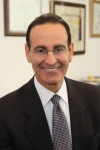
After hearing Dr Keith Block present at the Annie Appleseed CAM conference, I knew I needed to interview him, to share with you all that I learned from him at the conference and more.   Thank you, Dr Block for taking the time to share with me your roadmap for surviving and thriving. Thank you for sharing your thoughts on the lack of success cancer treatment has had on mortality rates. Unless otherwise noted, the information in this post is derived from his presentation and our interview.
In 1971, President Nixon declared war on cancer.  Forty-one years and billions of dollars later, we have yet to win the war. In fact, mortality rates have declined by less than 5% in the last 60 years! In this same time period, mortality from heart disease has dropped 64%. It’s not that we don’t have new cancer drugs; it’s just that they’re not offering major improvement in survival time. Most often these new drugs have only improved outcomes by 4-16 weeks.  The numbers tell the story:  we are not winning the war on cancer. 

                             “Cancer itself is a disease of defects”  KB

Everyone seeks the infamous magic bullet for cancer, the cure.  But cancer is not an isolated group of errant cells waiting to be annihilated by a wonder drug.  Cancer is not merely a tumor; it is an underlying condition, a disease of defects – in genes, of disruption in the microenvironment where the disease resides, as well as in the personal life of the patient and the family in crisis.
It is based on abnormal patterns driven by genetics and lifestyle.  It reflects changes in your body all the way down to the microscopic and molecular levels, changes that began long before you had any symptoms of cancer—indeed, long before cancer was diagnosed or even detectable. The battle against cancer is not so much against a single defect in a protein or cancerous mutation, it is a war on many fronts; it has multiple targets.  Therefore – with the possible exception of one or two types of early stage cancer, using one bullet to eradicate this disease will almost always fail.
 We need a multi-targeted approach.  Even the latest breakthrough drugs that hit two targets don’t come close to addressing this problem.  In theory, using many more than two drugs to hit many targets at the same time would help, however, the cost and toxicities render this unrealistic. And, keep in mind, that cancer is sneaky.  If you put up a roadblock, cancer will find a way to get around it.  But this is not the case for nutraceuticals, where their combined usage has negligible risk and toxicity; they are able hit multiple targets – and thus can address substitute or compensatory pathways – and are relatively inexpensive.  Plant extracts such as turmeric, lycopene, and green tea can target cancer on many levels; they hit many targets and cut off pathways, and they can address those molecular targets without the toxicity of multiple chemotherapies. For example, crucifers, (broccoli, cabbage and the like) can help reduce adverse effects of estrogen; flax has demonstrated a reduction in ki-67, a marker of cancer cell proliferation; green tea markedly countered the malignant conversion for patients at high risk for prostate cancer.   While no one is suggesting that these compounds will single-handedly eradicate cancer, each provides a powerful punch in addressing various mechanisms that drive cancer, and can synergistically interact to create an inhospitable microenvironment where cancer cells lose ground, toxicity is lessened and treatments work better.

Regarding Chemotherapy….

 Dr Block, how can chemo be more effective and less toxic?
 One of the most powerful ways to improve the response to chemotherapy is to administer chemo drugs in concert with optimal biological rhythms.  With this technique, called chronomodulated chemotherapy, pumps are programmed to deliver the largest dose of the drug at a time when cancer cells are most susceptible, and normal cells are the least vulnerable.  And the timing is unique to each drug.  Think of it like a pointed bell curve (sine wave curve); the drug is at first administered at low dose, slowly ramps up, peaks and then tapers off. The research supporting this unique form of chemotherapy infusion demonstrates a reduction in toxicity, improved response, and improved outcomes and survival in a number of studies. In fact, the literature contains studies showing chronomodulation of chemotherapy can even allow for patients to be successfully re-challenged with the identical drugs they previously received and needed to discontinue, either because they were ineffective, became ineffective prematurely, or were too debilitating to tolerate.
For example, for metastatic colon cancer patients, studies show that administering chemotherapy at the optimal time can halve toxicity and double treatment response.  For advanced metastatic ovarian cancer, a study in the journal Cancer reported that optimal timing of chemotherapy can reduce toxic side effects by 50 percent and quadruple five-year survival.

What about the safety of antioxidants and other supplements during treatment?
 Our published studies have shown that most antioxidants displayed no interfering effect with chemotherapy. In fact, they actually synergistically interact to enhance treatment and diminished the side effects of chemo. For example, it may be possible to mitigate some of the cardiac injury from drugs like Herceptin by taking agents like hawthorne and COq10.  In addition, glutamine, vitamin B6, and alpha-lipoic acid appear to help prevent neuron injury (neuropathy).
Click here to read more on supplementation and toxicity.

                               But the doctor said he “got it all!”
 Cancer is not simply a visible disease.  It’s not just about the macroscopic tumors that can be seen on a scan.  The surgeon saying “I got it all,” while certainly a message to be celebrated, should not signal the end of treatment.  One has to think of the disease systemically, not locally; it is a microcellular condition that is impacted by the extracellular environment that the cells reside in.  The typical gold standard, surgery, chemo and radiation, so often fail to prevent the spread or recurrence of the disease because they often miss picking up renegade cancer cells, miss strengthening the body’s biological integrity, and do not reach all of the underlying molecular accidents that initiated cancer in the first place.  As a result, even if the original tumor is removed, the environment that it resided in – as well as the treatments themselves – can create a biological imbalance for cancer to recur.  In addition, many cancer treatments leave a patient with considerable oxidative stress and inflammation, well known to interfere with treatment, increase various side effects including neuropathy, cardiomyopathy, fatigue and mucositis, and provide the fuel for clonal evolution – increasing the aggressiveness of otherwise dormant cells for their next time around.

 From a logical point of view…if cancer liked my body enough to grow cancer once, why not again…I know that I need to make the terrain less hospitable, to change the environment in which it was able to grow. EJ

 Remember, even when the primary tumor is removed, micro-metastases may already have migrated to and seeded other parts of the body.   In fact, it has been estimated that many cancer patients unknowingly already have metastases, malignant cells that have broken off the original tumor, traveled through the bloodstream to far-flung sites in the body, and begun the insidious process of growing in another dangerous tumor.   Keep in mind that all cancers start with a genetic glitch in a single cell. Conventional cancer treatment does little to prevent cells from regrouping, proliferating, and forming new tumors.  Just because you have achieved remission through elimination of the primary tumor does not mean you are home free.  However, the good news is that cancer cells are remarkably fragile.  Unless they are nurtured and protected by the biochemical terrain in your body, they have a difficult time surviving.  Your internal biochemistry can either nourish cancer cells or make the terrain inhospitable to cancer.

          Walking just three to five hours a week can cut cancer death rates by one-half. KB

 We know that lifestyle is directly related to cancer, and that diet and exercise are associated with lower cancer recurrence rates and longer survival.  Recently, the ACS issued new guidelines urging doctors to talk to their cancer patients about eating right, exercising and slimming down if they’re too heavy.  It’s a start, but not specific enough for most of us, nor is it comprehensive enough to help win the war.  Talk to your doctor – ideally one experienced in integrative oncology – about devising your own personalized plan for wellness.  By combining conventional treatments with a personally tailored regimen of natural agents, fitness regimens, and stress management- strategies, we can support our body to improve the chances of defeating cancer.

One last note, if I may.  While in most cases, cancer does not “just happen,” it is also something for which we cannot blame ourselves.  Cancer is not caused by a “bad” diet or a toxic environment.  Food is not either good or bad; let’s just say that some foods are better than others. However, as Dr Block said, cancer is “driven by genetics and lifestyle”. That said, diet and exercise can have a profound effect on the initiation and progression of the disease.  If a genetic defect occurs, our food choices either support or suppress the development of cancer.  I don’t blame myself for getting cancer, but yet now that I fully understand the power of food, I make conscious food choices to support my body against cancer.  Knowledge is power, and if everything I put in my mouth either supports or inhibits cancer, then now I am empowered to gain control. Joy is also an important ingredient for health; so while we want to make healthy food choices, we also need to remember that occasional indulgences and enjoying meals with friends are good for the soul. It’s all about balance and in giving your body what it needs.  Empower yourself to be an active participant in your healing and an advocate for your health.

 In good health,
Elyn

Keith I. Block, MD, is an internationally recognized expert in integrative oncology.  In 1980, he co-founded the Block Center for Integrative Cancer Treatment in Skokie, Illinois, the first such facility in North America, and serves as its Medical and Scientific Director.  He is the author of Life Over Cancer: The Block Center Program for Integrative Cancer Treatment.
Dr. Block is the Scientific Director of the Institute for Integrative Cancer Research and Education, where he has collaborated with colleagues at the University of Illinois at Chicago, the University of Texas M.D. Anderson Cancer Center in Houston and Bar Ilan University in Israel.  Dr. Block is also the founding editor-in-chief of the peer-reviewed journal, Integrative Cancer Therapies (ICT).  In 2005, he was appointed to the National Cancer Institute’s Physician Data Query (PDQ) Cancer CAM Editorial Board, on which he continues to serve today.

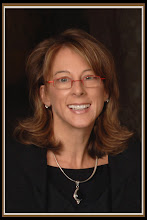
Elyn Jacobs is a breast cancer survivor, a professional cancer coach, a radio talk show host, and the Executive Director for the Emerald Heart Cancer Foundation. Elyn empowers women to choose the path for treatment that best fits their own individual needs.  She is passionate about helping others move forward into a life of health and wellbeing. To learn more about Elyn’s coaching services, please visit:  http://elynjacobs.wordpress.com/.  To tune into the Survive and Live Well radio show, please visit http://www.w4cs.com/, Tuesdays at 1pm (est).

Saturday, April 14, 2012

Breast Cancer Nutrition, Cancer Coach’s Tips–Video with Elyn Jacobs

April 12, 2012 Youtube video with http://www.breastcanceranswers.com/

Elyn Jacobs is a breast cancer survivor and certified cancer coach.  During her cancer treatment she discovered how what she was putting into her body, helped or hindered her body in it’s fight against cancer. She gives three very easy to follow and helpful tips on how you can help your body fight cancer by altering your diet.
 To View the Video, please visit:

Elyn Jacobs: I have three tips for you on eating to beat cancer. First let me say that nutrition matters. Dietary habits play a significant role in the prevention of breast cancer, the prevention of recurrence and slowing the progression of the disease.

Good nutrition will also support your body during damaging cancer treatments and will help you heal. That said, I’d like to suggest the 80/20 rule. So before you tell me, “No, I am not giving up my dessert or my meat”, remember, you don’t have to be perfect. Just try to eat well 80% of the time.

I also note that during cancer treatments, some foods may be very unappealing to you. So just do your best and try to avoid things like Ensure, because your body really doesn’t need the chemicals. Look for real food.

So here are my tips:

Tip #1, Eat at least 15 servings of fruits and vegetables a day and try to include at least 10 different varieties. You also want to look for colors of the rainbow as each provides different cancer-fighting components.
Adding plants and fruits and vegetables to your diet will also help you avoid the constipation that can come with many of the cancer treatments. If you find that you cannot or do not get enough produce, there are many whole food supplements out there that can help you bridge the gap between good intentions and reality.

Tip #2, Limit dairy products, meat and eggs as they can cause cancer-friendly inflammation in the body. They also add unnecessary hormones that you don’t need. You might want to consider limiting peanut butter too as that is also a pro-inflammatory food.

Tip #3, Cut out processed fried and fast foods and eliminate as much sugar and refined grains as possible. You also want to try and stick to as much organic produce as you can, especially for those that are on the so-called ‘dirty dozen’, which by the way should now be the ‘dirty baker’s dozen’ because when they added blueberries they got up to number 13.

Hi, I am Elyn Jacobs, a breast cancer survivor and a certified cancer coach. I am also the Executive Director for the Emerald Heart Cancer Foundation. You can find me at www.wordpress.com. I am also on Twitter, Facebook and LinkedIn @ElynJacobs, or you can email me at Elyn@ElynJacobs.com.

This information should not be relied upon as a substitute for personal medical advice, diagnosis or treatment. Use the information provided on this site solely at your own risk.  If you have any concerns about your health, please consult with a physician

Thursday, February 2, 2012

The Financial Drain of Cancer /Applying for Disability

Battling cancer can be a financial nightmare for many people.  Cancer treatments can often leave people too sick or exhausted to continue working.  Below is some helpful information if applying for disability is something you are considering.

The Social Security and Disability Resource Center (SSDRC.com) is an informational website that provides answers to questions about how to apply for disability, how to appeal a claim in the event of a denial, how to navigate the federal system, and how to avoid certain mistakes that are commonly made by applicants. The site’s author is a former disability examiner for the social security administration.

Here is a link to the site's home page: http://www.ssdrc.com/
This page has information about how severe your condition must be in order to qualify: http://www.ssdrc.com/disabilityquestions1-37.html

Don’t qualify or need additional assistance?  Check for resources within the county and state that you live in.  There are many regional organizations that provide financial assistance as well as home care and meals during treatment.  A few examples:

The following is also an excellent resource for locating financial assistance:

Additional resources for financial assistance:


Elyn Jacobs
Elyn Jacobs is a certified cancer coach, a breast cancer survivor and the Executive Director for the Emerald Heart Cancer Foundation.  She empowers women to choose the path for treatment that best fits their own individual needs.  Elyn helps women to uncover the nutritional deficiencies and emotional stress patterns that may have contributed to their cancer and to support their body as it activates it own natural ability to fight the disease. She is passionate about helping others move forward into a life of health and wellbeing. To learn more about Elyn’s coaching services or to learn more about eating for life, please visit:  http://elynjacobs.wordpress.com. For information regarding grants for women utilizing integrative therapies for cancer, please visit: http://www.emeraldheart.org/.


Saturday, December 10, 2011

Changing the Cancer Environment

In The Redwood Forest, I talk about changing the cancer environment.  I decided this topic deserves more depth, so today’s post goes a bit further into the emotional and nutritional sides of cancer.  In good health, Elyn
Changing the Cancer Environment
Disease (is) not an entity but a fluctuating condition of the patient’s body, a battle between the substance of disease and the natural self-healing tendency of the body.        Hippocrates 
Cancer is not as complicated as many claim it to be.  Genetic, environmental, nutritional and psychological factors all play a role in the development of cancer.  However, the development of cancer is an indication that the body lacks the support necessary to destroy cancer cells. We all generate errant or mutated cancer cells in our bodies every day, yet only some individuals will go on to develop the disease.  Normally our immune systems destroy these errant cells, yet in individuals whose immune systems are severely compromised, this mechanism fails.  Quite simply, the key is to discover and repair what is not functioning by empowering yourself to make changes that support your body’s ability to resist the cancer process.

 You can’t alter your genetic factors. To some extent you can modify your environmental factors, but unavoidable perils lurk everywhere. However, you can change the psychological and nutritional factors that weaken the body’s natural defenses against cancer, and often times these changes can affect the way your body responds to genetic and environmental factors. For example, diet often trumps toxins by helping to remove toxins from the body, and diet can also influence the expression of genes.  Therefore, what is of far more interest than the risk factors or causes is what we can do about them. The key to survival is often changing the environment in which cancer was able to develop.  If we focus on the underlying conditions that may have contributed to the disease, we can likely prevent recurrence or reverse the course of the disease.  After all, it is not the primary tumor that kills us, but rather the progression of the disease.  Emotional patterns and dietary choices may neither be the cause or cure for every cancer, but any path taken, be it allopathic, integrative or alternative, will be more successful long-term if the mind and body are addressed.

“Cancer does not begin in the body; cancer begins in the brain”   R.G.Hamer

There is a strong correlation between emotional patterns and the development and progression of cancer. The power of repressed emotions, anger, and resentment as well as a lack of self love is not to be overlooked in the creating and healing of our cancers. Emotional challenges can develop into physical ones; that is, emotions not expressed in words or actions find expression in physical ailments; physical symptoms are often related to past repressed traumatic experiences.  Toxic defense mechanisms are often developed in childhood to survive life’s inevitable traumas.
I remember my first visit to my integrative oncologist, Mitch Gaynor.  The interview lasted several hours, and at one point he mentioned that he thought my cancer likely had much to do with something that happened to me when I was five years old; something that caused me to repress emotions that would later have contributed to my cancer.  He said that many people suppress their feelings in order to keep peace with others or to spare themselves or others from pain.  We talked about my life-long desire to be the peace-keeper, to the point where my family dubbed me “Julie the cruise director”.  For those of you who remember The Love Boat, it was Julie’s job to accommodate others, to be perky, and to ensure that everyone on the boat was happy…a tall order. Our physical health is compromised when we chronically repress our needs and feelings to accommodate others.  This coping style weakens our immune defenses and leaves us more vulnerable to cancer progression. I have worked with him to make a more peaceful, but expressive life, and in doing so, have found appropriate ways to express my emotions; I have learned to put myself first at times.

Stress per se is not a critical factor in illness; it’s how we respond to it that matters. The key is to express it appropriately and then let it go, so that it doesn’t fester or build, or escalate out of control. Healthy is not just a matter of thinking happy thoughts, but rather to learn how to express our emotions. Take a walk, run, have a massage, listen to music, take a bath, yell (or at least make your distress known) --anything that can release stress and stored or blocked emotions. We cannot control the reactions of others. However, although people may initially react when you begin to express your emotions and speak honestly, in the end it raises the relationship to a whole new and healthier level. Either that or it releases the unhealthy relationship from your life. Either way, you win.

The immune system is often suppressed in people who feel they are not able to change the negative conditions of their lives, and are involved in toxic relationships.  Situations in which a woman has a physically or emotionally abusive man in her life or is stuck in a non-nurturing marriage or even in one where a husband is unable or unwilling to support his wife’s emotional needs can trigger a cascade of biochemical changes that help create a fertile field for breast cancer to grow.

This is not to say that everyone involved in a toxic relationship or who has relentless, unaddressed stress will develop cancer.  However, to help avoid a recurrence of cancer or to reverse the disease, you need to change the environment in which cancer was permitted to grow.  Identifying and releasing deep-seated negative emotions and thought patterns, while maintaining an attitude of hope and positive beliefs, can make the all-important difference in the pursuit of wellness. If you suspect negative relationships to be part of the cause, it’s time to make some changes. Make a commitment to yourself and eliminate the toxic relationships in your life, celebrate you and make sure you are a priority in life, not an afterthought. Consider stress reducing therapies such as Reiki, yoga, meditation, or kinesiology.  Join a support group to talk through your frustrations and to connect with others.

 “Let Food be thy Medicine, and Medicine be thy Food”        Hippocrates 

Diet should be an important part of your anticancer strategy.  The cellular level is where cancer begins and where nutrition exerts its greatest effect. Our nutritional status either weakens us, making us susceptible to the development of cancer, or strengthens our bodies’ defense mechanisms, enhancing our ability to prevent renegade cells from becoming tumors, to avoid recurrence and often to reverse the disease.  Cancer loves inflammation, and inflammation plays a role at all three stages of cancer: initiation, progression and metastasis. Most foods either encourage or discourage inflammation.  A diet high in trans-fatty acids, carbohydrates and sugar helps the body to create inflammation, whereas a diet heavy in vegetables, whole grains and omega-3 fatty acids puts the brakes on the process. For an in-depth discussion on inflammation and its role in cancer, please visit: http://www.embodiworks.org/cancertreatments/bodymindspirit/inflammation/

In general, a high fiber, low fat, low protein diet rich in fruits and vegetables is recommended (as well as exercise and maintaining a healthy weight).  Avoid red meat (occasional organic, grass-fed meats are fine). Dairy consumption is somewhat controversial, but most would argue that avoiding or limiting dairy is best.  Remember, we want to enjoy life; deprivation can lead to depression and reduced enjoyment of life.  If eating cheese is of great pleasure to you, then by all means, have some, but try to find raw, organic cheeses made on small farms to avoid pesticides and unnecessary hormones.  For more information on dairy, please visit:  http://elynjacobs.blogspot.com/2011/10/shedding-some-light-on-dairy-var.html

Antioxidants and the immune system play critical role cancer prevention and in their ability to destroy cancers already present. Antioxidants protect cells and tissues, and remove the free radicals created by exposure to radiation, chemicals and inflammation.  Foods such as flaxseed, rosemary, apples, red wine, leafy greens and cruciferous vegetables help remove and disable troublesome estrogen from the body. The immune system, and specifically NK cells (natural killer cells), are able to attack and kill a wide variety of cells and patrol the circulatory system and organs of the body on an antigen seek-and-destroy mission, so keeping these super-soldiers in optimal fighting condition is necessary to beat cancer.  A lack of minerals and nutrients will decrease the activity of these soldiers and compromise the immune system. Please include a wide variety of anti-cancer foods as each nutrient plays its own role in the prevention of cancer. To learn more about cancer-fighting foods, please visit: http://elynjacobs.blogspot.com/2010/12/eating-to-cheat-cancer.html

Remember, the goal is to empower yourself to take responsibility for your own healing and to encourage you to take action, without creating a sense of guilt.  If you have cancer, think long and hard about how you got to this place in life, and what kind of joyful and fulfilling future you want to create as a survivor.  You can’t change the past, but you can take control of your future. Understanding which behaviors, ingrained patterns and dietary deficiencies we can begin to change in order to strengthen our immune systems and to allow our bodies to heal is the first step in the pursuit of wellness. Resolving these issues and moving towards a happier, healthier life is why many survivors say that getting cancer was the best thing that ever happened to them.

To read more about Dr Hamer’s theory, please visit: ww.newmedicine.ca; http://www.learninggnm.com/home.html

To learn more about how psychological change can repair and empower a compromised immune
system, please visit:  
www.cancerasaturningpoint.org/  Cancer as a Turning Point, by  Lawrence Leshan, PhD
www.cancer-report.com The Cancer Report, by John Voell and Cynthia Chatfield 
http://www.gaynoroncology.com/ Dr Mitch Gaynor, Gaynor Integrative Oncology


Elyn Jacobs
elynjacobs.blogspot.com
elynjacobs.wordpress.com

*********************************************************
Elyn Jacobs is President of Elyn Jacobs Consulting, Executive Director for the Emerald Heart Cancer Foundation, a certified cancer coach and a breast cancer survivor.  Elyn helps women diagnosed with cancer to navigate the process of treatment and care, and educates to prevent recurrence and new cancers. 

Saturday, November 19, 2011

The Redwood Forest

I titled my blog “It’s a Strong Tree that Withstands a Hurricane” as I believe that a strong, healthy body is a formidable defense against cancer, similar to how a strong tree can withstand the fierce winds of a hurricane.  A body that lacks nutrients or that suffers relentless stress is at a disadvantage.  Stress, particularly when perceived as inevitable and uncontrollable, is a key factor in vulnerability to cancer. I will discuss nutrients later, but for now, I want to talk more about stress and trees, specifically the redwood trees in Northern California.   These trees are the tallest trees on earth, yet the roots are actually quite shallow.  The tallest trees on the earth have a shallow root system.  They stand tall because they stay close and intertwine their roots with the trees around them.  This strong support system allows them to stand tall whilst otherwise they would fall.  In order to avoid the beast called cancer and in order to beat this beast, we need to intertwine ourselves with a solid support system of friends and loved ones.

 Some women are lucky enough to have a built in support system of family and friends.  Others find that their current circle just doesn’t understand or are even involved in toxic, draining relationships. The immune system is often suppressed in people who feel they are not able to change the negative conditions of their lives.  Situations in which a woman has a physically or emotionally abusive man in her life or is stuck in a non-nurturing marriage or even in one where a husband is unable or unwilling to support his wife’s emotional needs can trigger a cascade of biochemical changes that help create a fertile field for breast cancer to grow.

This is not to say that everyone involved in a toxic relationship or who has relentless, unaddressed stress will develop cancer.  However, to avoid a recurrence of breast cancer, you need to change the environment in which cancer was permitted to grow.  If you suspect negative relationships to be part of the cause, it’s time to make some changes. Make a commitment to yourself and eliminate the toxic relationships in your life, celebrate you and make sure you are a priority in life, not an afterthought. Consider stress reducing therapies such as Reiki, yoga, meditation, or kinesiology. Join a support group to talk through your frustrations and to connect with others.

Support groups and online support groups and chat rooms give cancer patients a new place to belong.  Many of us have joked “once you have breast cancer, you become a member of the club…the initiation is rough, but the women are amazing.”  Since my diagnosis, I have met the most amazing people, met so many wonderful new friends.  Friends who understand what is like to live with cancer, to be declared NED but who still look over their shoulder every day, and who understandably fret over every scan, odd symptom and toxin that might cross their path.  If your husband says he doesn’t know you anymore, that cancer has changed you, take him along; let him see that your cancer fears and insecurities are not unique to you.  If he still doesn’t get it and is unable to support you, divorce him (ouch, did I say that?).  Embrace life, live life and love life….it’s yours and it can be gone with a blink.
May your tree stand tall.

Elyn Jacobs
elynjacobs.blogspot.com
elynjacobs.wordpress.com

Many thanks to Julia Fikse for reminding me of the redwoods….and more to come on beating cancer, not just treating cancer….
*********************************************************
Elyn Jacobs is President of Elyn Jacobs Consulting, Executive Director for the Emerald Heart Cancer Foundation, a certified cancer coach and a breast cancer survivor.  Elyn helps women diagnosed with cancer to navigate the process of treatment and care, and educates to prevent recurrence and new cancers.  She is passionate about helping others get past their cancer and into a cancer-free life. To learn more about Elyn’s coaching services, please visit:  http://elynjacobs.wordpress.com


Monday, November 14, 2011

Chinese Herbal Medicine in Today’s Cancer Care

Disease (is) not an entity but a fluctuating condition of the patient’s body, a battle between the substance of disease and the natural self-healing tendency of the body.             HIPPOCRATES

 
CHM is a major aspect of traditional Chinese medicine, which focuses on restoring a balance of energy, body, and spirit to maintain health rather than treating a particular disease or medical condition. Unlike modern medicine, CHM is not symptom based, but rather seeks for the underlying conditions which may contribute to the symptoms.  I like this, a lot. If you take ten people all with the same symptoms, Western medicine would likely disperse one diagnosis for all; Eastern medicine would likely come up with ten completely different diagnoses.  The medicine itself is not a one-size-fits all, but rather a formula put together based on the needs of the individual.  “CHM is beautiful like a puzzle or game of chess” is how herbalist Aaron Teich, L.Ac. described it to me. The medicine is never a single herb, but rather more like a chess game where pieces are not moved independently, but rather synergistically to win the game.

Chinese herbs and cancer

Chinese herbs offer considerable defense against the recurrence of breast cancer, as well as to slow the progression of the disease should it already be metastatic.   Short of a cure, I learned from Dr George Wong that he has had great success in the prevention of breast cancer as well as recurrence to an astounding 1% rate of recurrence with the use of his herbs (that being only 1 out of his 1000 patients suffered recurrence, most of whom were at high risk for recurrence).  Treatment with herbs offers a better quality of life (in most cases…some people cannot get past the terrible taste) and longer life span than conventional treatments.  Long term remission of those with metastatic breast cancer is not as promising, but still better than with conventional.  Sadly, herbal therapy has become terribly costly, due to hoarding in china of these precious herbs, and this has resulted in a 30% hike in prices.

So, who might consider Chinese herbs?

It’s an individual choice.  Chinese herbs are not traditionally intended to be anticancer herbs, but herbalists have found that they are effective against cancer.  There is strong evidence that Chinese herbs suppress cancer cells, improve immunity, promote cancer cell death through apoptosis, and block blood vessel formation associated with cancer development and growth, and work against metastasis.  When used in conjunction with conventional treatments such as chemotherapy and radiation, CHM has tremendous supportive capabilities:  the herbs can enhance therapeutic effects while reducing side effects, improving quality of life, restoring health and helping to prevent recurrence and cancer metastasis.

CHM comes in three forms, teas, powders with which you make tea, and pills. The teas are the most flexible and effective, but are usually rather unpleasant to drink.  Each formula is actually a group of herbs; perhaps a combination of plants, bark, roots and minerals.  This version allows the herbalist to create a medicine that is extremely individualized. Cooked, you will have a nasty tasting, but quite potent tea.  However, in modern practice, many herbalists offer more appealing versions. This version is a derivative of the traditional.  The herbs are boiled until hard, a starch is added and then the mixture is crushed into a powder.  Boiling water is then added to make tea. The powders are a bit less flexible as the formulas are pre-made and less individualized, and the pills are the most appealing, but the least individualized.  The herbs are condensed into pills and are taken with water. However, by taking the pills, you still get the benefits while avoiding the nasty flavors. 
Keep in mind that the herbs affect the body and its systems, acting like any other medication.  Just because the herbs are natural and, well, herbal does not mean they are perfectly safe or without side effects.  They cause changes to the cells, affect pathways, etc. so it is important to work with an experienced herbalist.  However, the side effects are typically digestive issues, similar to those experienced by suddenly switching to a diet of broccoli and beans. 

Many thanks to Aaron Teich, L.Ac and Dr. George Wong for sharing with me their expertise in Chinese Herbal Medicine.  Both are incredibly talented healers.  Should you wish to learn more about them, please contact me or them directly.


Elyn Jacobs
http://elynjacobs.wordpress.com

 George Wong received his doctoral degree from Harvard University on 1978. He had taught at the University of Michigan in Ann Arbor from 1978 until 1982 when he moved on to Memorial Sloan-Kettering Cancer Center to pursue a career in cancer research. From 1993 to 2009 he was appointed Director of Preventive Oncology Research at Strang Cancer Prevention Center and a full professor at Weill Cornell Medical College. At present, he is a faculty member with the Department of Integrative Medicine, Beth Israel Medical Center in New York City. He has published over 100 peer-reviewed articles in the area of cancer clinical trials and cancer prevention. His main research interest is in breast cancer.  Apart from his academic research in conventional cancer prevention and treatment, Dr. Wong has for many years devoted his time and energy to Chinese herbal medicine. drgeorgewong@yahoo.com or 917.710.7888

Aaron Teich, L.Ac. is the founder and director of Shuniya Health & Healing, a holistic health practice in Manhattan and the Hamptons. His healing practice uniquely integrates classical acupuncture, Chinese herbal medicine, and Sat Nam Rasayan - the meditative healing tradition of Kundalini Yoga. In his work, Aaron guides people inward to an experience of heightened awareness, and creates a state of balanced prana, which becomes a catalyst for physical healing, personal transformation, and spiritual growth.

After graduating from Harvard University with a degree in Comparative Religion and Philosophy, Aaron received his Masters Degree from the American College of Traditional Chinese Medicine in San Francisco.  Aaron is a Licensed Acupuncturist in the states of New York and California, and is nationally certified as a Diplomate of Oriental Medicine (Dipl.OM). For over a decade, he has trained with Guru Dev Singh, the lineage holder of Sat Nam Rasayan.  Aaron has traveled extensively to study with traditional healers and shamans around the world, including in China, India, Mongolia, Brazil, Africa, and Europe.  He currently maintains a private practice in New York City and the Hamptons, and teaches and writes on health, healing, and meditation.
Phone: 212-203-5425
Email
: info@shuniyahealing.com
Website: www.ShuniyaHealing.com

*****************************************************************
Elyn Jacobs is President of Elyn Jacobs Consulting, the Executive Director for the Emerald Heart Cancer Foundation, a certified cancer coach and a breast cancer survivor.  She helps women diagnosed with cancer to navigate the process of treatment and care, and educates about how to prevent recurrence and new cancers.  She is passionate about helping others get past their cancer and into a cancer-free life.


Tuesday, November 1, 2011

It’s My Cancer

  The following is a guest post I wrote for Breast Cancer Partner's Blog..... It’s My Cancer


“You have cancer” Three of the most dreaded words you can hear from your doctor.  Your world has changed and you feel a loss of control.    A moment ago you were a student, parent, wife, maybe even a doctor. Now, suddenly, you are a patient.  In the ensuing panic, disbelief, fear, and confusion you have to make decisions.  Likely right now you think “I can barely breathe, let alone function…how am I to figure all this out?”  Well, unfortunately, your life and your quality of life depend on it.  Now is the time to get help, but from who?

A cancer diagnosis leaves one so very vulnerable, not only to the illness, but also to the people all around us. Given all the options today, we have many decisions to make.  We may choose conventional, alternative or a combination of both, and within each modality, there are yet more options. Friends often think they are helpful when criticizing a chosen treatment plan.  Many women diagnosed with breast cancer choose not even to discuss with friends their choice for surgery, as surely some friends will be adamant about mastectomy and others lumpectomy, and this is terribly unfair.  I always say that when a friend or loved one is diagnosed, support is essential, information is helpful, but advice is unacceptable.  It is for us and us alone to choose and be confident with a path chosen, and it is unfair of others to cast doubt or offer opinions. Doubt will bring fear and stress, both of which can be detrimental to healing and survivorship and can compromise all efforts for a positive outcome. 

The recent press regarding Steve Jobs is a perfect example. One might say that Steve Jobs was a bright man.  One might say he made many critical decisions in his life.  One might say that he was not afraid to take chances.  One might even say that he was a trendsetter.  Why is it that friends, family and the media felt they had the right to challenge his choice of a treatment plan and have the right to second guess it now?  To say that “he refused potentially life-saving cancer surgery for nine months, shrugging off protests from his family and opting instead for alternative medicine” is unfair.  Potentially life-saving surgery? Some doctors have argued that his cancer was curable, others say the opposite. Given a diagnosis of a cancer for which conventional medicine has not been particularly successful, it would only make sense to explore all options.  This was his cancer and it was his decision to choose a plan of treatment.  Andrew Grove told Jobs he was crazy.  Art Levinson was frustrated that he could not persuade Jobs to have surgery. It wasn’t their cancer. What matters is that Steve Jobs had confidence in his choice.  What matters is that Mr. Jobs made the final decision on each new treatment regimen.  What matters is that he had the freedom to choose and to change his mind. What is not acceptable is for others to challenge his decisions. What is important is to have an unbiased advocate to assist and support you through treatment. We will never know if it was the destructive mind-body criticism of others that brought on his demise.  We do know that Steve Jobs made sure he sought out all the options and did all he could do to battle his cancer. Knowing your options and obtaining the necessary information is critical in order to make the right choices for you, for your cancer.

There are many options for treating cancer.  Conventional (allopathic) medicine offers surgery, radiation, chemotherapy, and other medical interventions to battle cancer.  For many, this is the route to take.  For others, surgery may be acceptable, but radiation and or chemotherapy either are not an option or are not acceptable to the patient.  Some will take the integrative approach, combing conventional with alternative therapies.  Massage, acupuncture, Chinese Herbal Medicine, nutritional therapy and other treatments associated with complementary medicine can support patients during and post treatment by lessoning the side effects, improving quality of life and improving long-term survival. Still others will choose to use only alternative methods.  The important thing is to choose what feels best to you.  Keep in mind that within these methods, there will be further decisions to make, for example which of the surgeries available would be best or which alternative treatment would be the most effective. Doctors differ in their methods and protocols.  Many women find it a challenge to find a doctor who can hear and respond to her opinions and questions, and all too often women are pushed into a path for treatment that does not suit her core needs or desires. Sadly, some doctors forget that we endure treatment to live, and therefore quality of life is important.

Information is power and it has never been more important to be informed and knowledgeable about your medical care.  My goal is to get this information to women and to empower and support them to make choices that fit their own individual needs. As a survivor and experienced coach, I understand the questions and concerns faced by the newly diagnosed, and I make sure that my client’s voice is heard.  My mission is to help women find the right treatment, doctors and post cancer care, even if that means second or even third opinions and firing a few doctors.  I know firsthand, that under these circumstances, it is very difficult to concentrate on all that a doctor is saying, so I accompany women on visits to the doctor where I take notes and ensure the tough questions get asked. Once team and treatment plans are chosen, we work together through the process. I feel strongly that no woman should have to face cancer alone.

In good health,
Elyn Jacobs

**********************************************************
Elyn Jacobs is President of Elyn Jacobs Consulting, and a breast cancer survivor and certified cancer coach.  She helps women diagnosed with cancer to navigate the process of treatment and care, and she educates about how to prevent recurrence and new cancers.  She is passionate about helping others get past their cancer and into a cancer-free life. To learn more about Elyn’s coaching services, please visit:  http://elynjacobs.wordpress.com

Friday, October 28, 2011

Shedding Some Light On Dairy


The following is a guest post by Dr Lilli Link on the topic of dairy consumption.  There is so much controversy on this subject that I asked her if she would share her knowledge on the subject.

The second most frequent question I hear when I tell someone I eat a primarily raw vegan diet or suggest one of my patients try it is, “Don’t you need milk for your bones?” If you don’t want to read all the way through the blog to get the answer, I’ll give it away right now: No!

Why would someone choose to stay away from dairy when ice cream and cheese taste so good and it’s supposed to be healthy? Even the government says we should be eating it. One reason to avoid dairy is based purely on logic, not science. It makes no evolutionary sense. No other mammal drinks milk after infancy, and certainly not the milk of a different species. In addition, although most people of European descent have adapted over the years so that they don’t lose the enzyme (lactase) necessary to digest dairy, more than half of the world’s population is lactose intolerant and can’t digest it.

But if those reasons aren’t convincing enough, here is a list of problems that have been shown in scientific studies to be associated with eating dairy: constipation, acne, asthma, and eczema. With regard to cancer, the evidence indicates dairy may be linked to a decreased risk of some cancers and increased risk of others. But it definitely increases a hormone called IGF-1 (insulin-like growth factor-1) which is a tumor promoter – something we cancer survivors would just as soon avoid. Finally, it is full of antibiotics, dioxin and hormones. Even if you are drinking organic milk from a cow that was never injected with bovine growth hormone, the milk is still full of the hormones she produced naturally.

So there are a lot of reasons to stay away from dairy. But doesn’t it help make your bones stronger? How else can you get enough calcium in your diet? The US RDA for calcium is 1000-1300mg/day, depending on your age and gender. In fact, it is hard to consume that much calcium if you are not eating dairy. This may be where the confusion begins. In a study that compared calcium consumption in different countries, the countries with the lowest calcium intake, about 500-1000mg/day, had lower rates of hip fractures (the dreaded outcome of low bone density) than the countries with the highest calcium intake (over 1000mg/day). Another study showed that countries with the highest consumption of animal protein intake had the most hip fractures, whereas the countries with the highest vegetable protein intake had the fewest hip fractures.

Although a number of studies show that eating dairy is associated with a decreased risk for fractures, a similar number of studies show it makes no difference. One of the major obstacles to getting a true picture of the importance of dairy for bone strength is the way the studies are done. Study participants are asked what they usually eat and then followed to see how many end up with broken bones. Since milk is touted as a healthy food, the people who eat the best and exercise the most are also the ones likely to be eating the most dairy. Curiously, of the scientific review articles about dairy and osteoporosis, most of the ones that showed a favorable association between dairy and bone health were sponsored by the National Dairy Council.

Since people from other countries who eat much less calcium than we eat have fewer fractures, maybe it’s not all about how much calcium we eat. Actually, more important is how much we keep. There are two other nutrients, in particular, which affect how much calcium we hold onto: protein and sodium. The more protein and sodium we eat, the more calcium we urinate out. So if we eat less protein and sodium (which are all too commonly consumed in a Western diet), we probably don’t need to eat as much calcium.

The other side of the equation is the absorption of calcium. It is better absorbed in an acidic environment, such as with vitamin C. That means that the lemon juice on your green leafy vegetable is helping you absorb the vegetable’s calcium. And vitamin D also increases the amount of calcium absorbed by the body.
Finally, it is becoming increasingly clear that there are other nutrients that are also very important for bone formation, such as vitamin K (high in dark green vegetables) and magnesium (high in green vegetables and seeds).

If you are wondering if a raw vegan diet can be okay for your bones, there has actually been a small study which suggests that it is. In this study, the people following the raw vegan diet were much thinner and had lower bone density (which goes along with being thinner). The reassuring part of the study was that the blood markers of bone turnover (i.e., how much bone was formed and broken down) showed no difference between those who followed the raw vegan diet and those who followed a typical American diet that contained almost twice the amount of calcium as the raw vegan diet.

Perhaps you are starting to think you might like to take dairy out of your diet, and you want to be sure you are still getting enough calcium. Good sources are dark green vegetables, nuts and seeds. Especially good foods are collard greens, kale, almonds and sunflower seeds.

Now if you are interested, theoretically, in cutting dairy out from your diet, but need some added incentive, read on. (If you still want to enjoy your milk, however, I suggest you stop reading now!) As a result of the milking process, cows often have mastitis (an infection of the udder), making dairy full of white blood cells, aka, pus. This means your yogurt, cottage cheese, ice cream, etc., are also full of pus.

It’s been 10 years since I have had dairy of any kind, and at this point I no longer even miss the cheese that sits on top of my former favorite food: pizza. But if you think you need some milk or cheese substitutes there are plenty of vegan (e.g., soy or rice-based) and raw (e.g., nut or seed-based) options to satisfy your palate!

Lilli Link, MD, MS, is a board certified internist who has the knowledge and experience to combine conventional and complementary approaches to individualize and optimize your health.  Since her own diagnosis of cancer over ten years ago, she has learned first-hand how to use diet and lifestyle to optimize her own health and the health of her patients.  For more information about Lilli and her services, please visit: http://www.llinkmd.com/About_Dr.php
Elyn Jacobs
**********************************************************
Elyn Jacobs is President of Elyn Jacobs Consulting, Inc. and a breast cancer survivor.  She helps women diagnosed with cancer to navigate the process of treatment and care, and she educates about how to prevent recurrence and new cancers.  She is passionate about helping others get past their cancer and into a cancer-free life.